info@kimaelectric.com
 +86 199 4451 2191




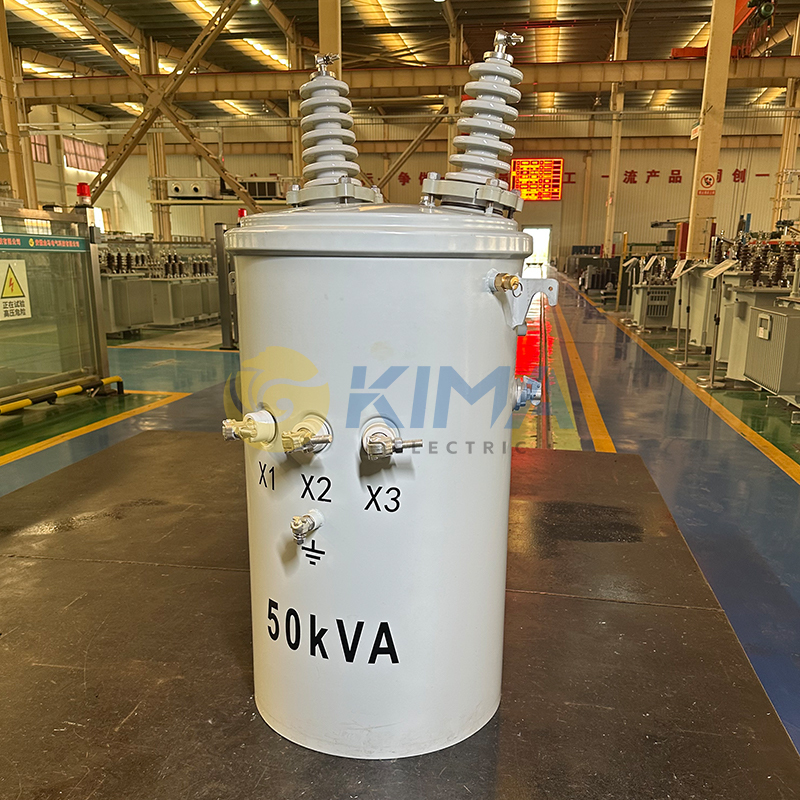
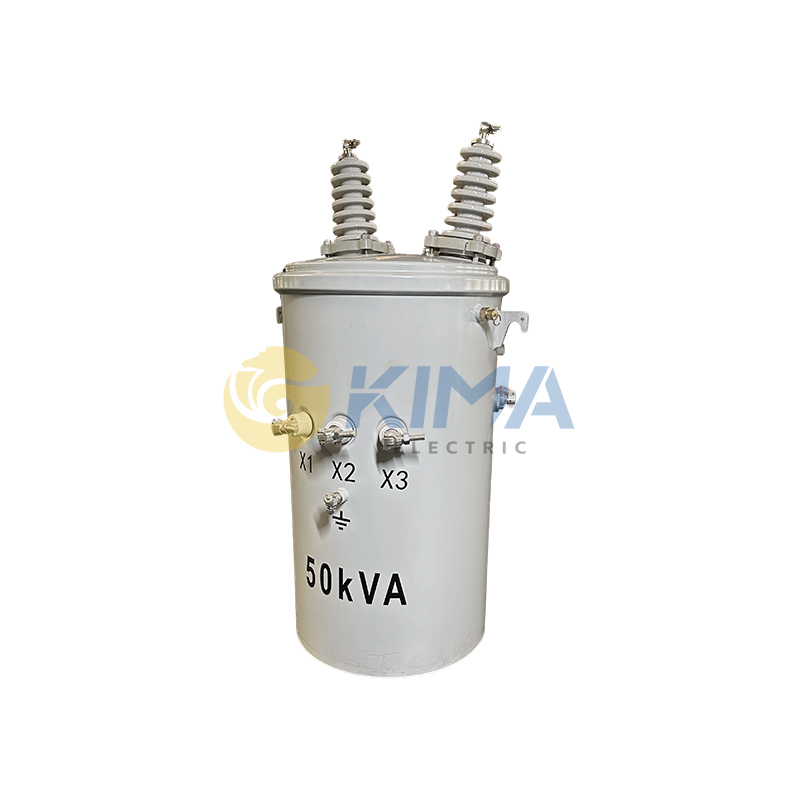
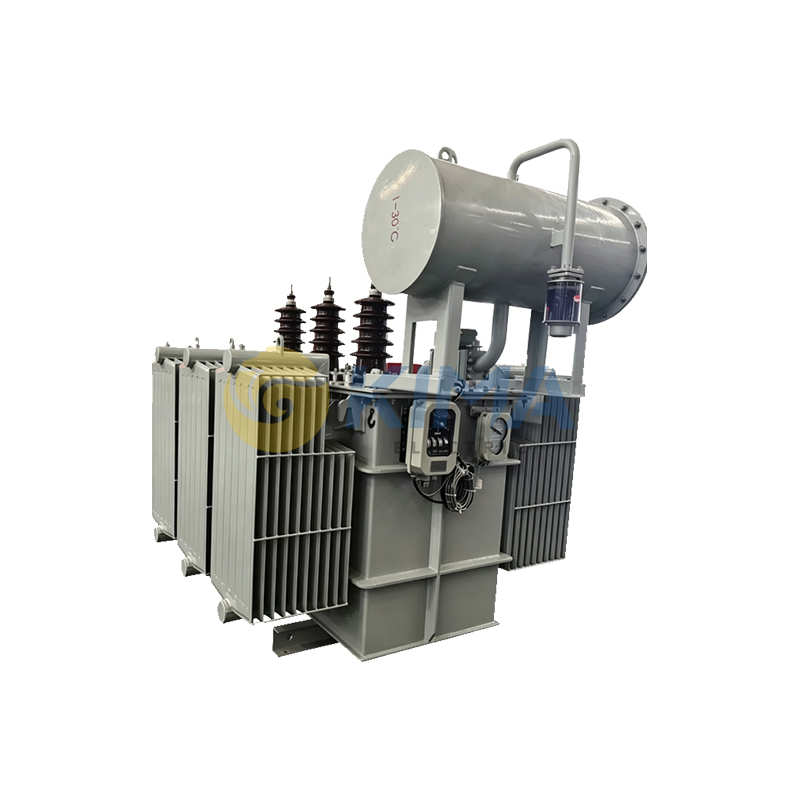
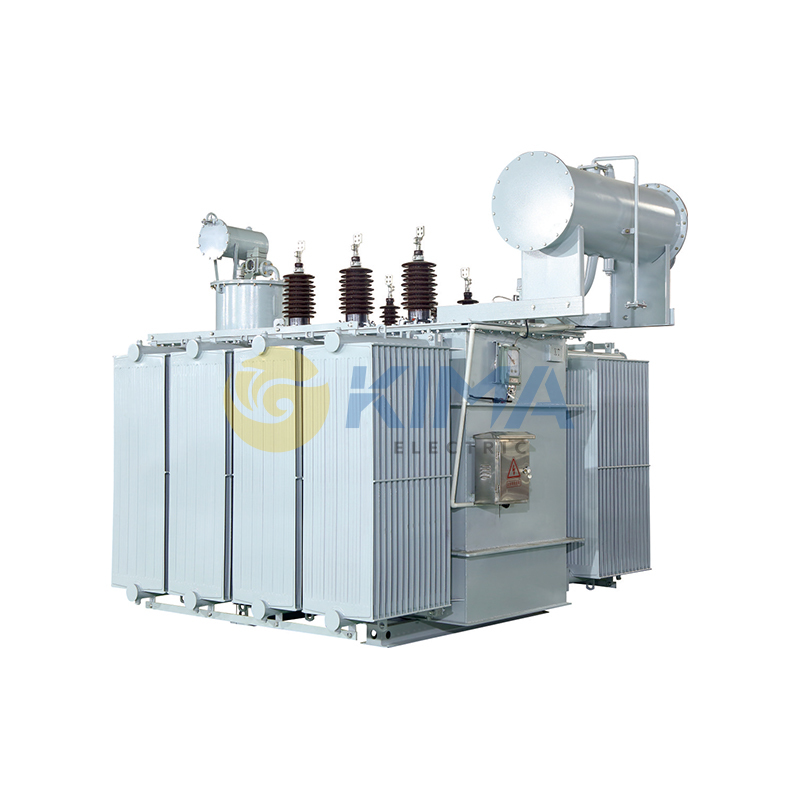
Pole-Mounted Single-Phase Cylindrical Oil-Immersed Transformer
Technical Features and Selection Guide
Pole-mounted transformers are installed at elevated positions, typically on wooden or concrete utility poles. Their primary function is to step down high-voltage electricity from overhead transmission lines to lower voltages suitable for residential or rural areas. Installing these outdoor transformers at height reduces the risk of damage from floods and standing water. Additionally, pole mounting facilitates maintenance by linemen using bucket trucks. Their compact overhead design distinguishes them from pad-mounted transformers, offering a practical solution for areas where underground cabling is uncommon.
Transformer Technical Specifications
|
Primary Rated Voltage |
2.4 - 34.5 kV |
|
Secondary Rated Voltage |
120/240V, 208V, 240/480V, 277V, 199/345V |
|
Capacity Range |
5 kVA to 500 kVA |
|
Phases |
Single-phase (1Ph) |
|
Rated Frequency |
50 Hz or 60 Hz |
What Types of Pole-Mounted Transformers Are There?
Pole-mounted transformers come in a wide variety of types and configurations, each designed to meet specific needs within a distribution system. Understanding these types helps power utilities and users select the appropriate transformer. They are primarily divided into two main categories: Conventional Transformers and Completely Self-Protected (CSP) Transformers. Based on application and power requirements, both categories are available in single-phase and three-phase models.
(1) Conventional Pole-Mounted Transformers
Conventional transformers feature two primary bushings, and their main components include the transformer body, oil tank, high- and low-voltage bushings, grounding devices, and wiring terminals. This is the most common type for pole-mounting applications and holds a significant position in power distribution systems.
They do not contain built-in protective devices, such as lightning arresters or fuses, making them generally more cost-effective than CSP transformers. This design is ideal for locations where external protective devices can be installed separately, and budgets are limited. Conventional transformers are typically used in residential areas, commercial buildings, and non-critical infrastructure where the risk of electrical faults is relatively low.
(2) Completely Self-Protected (CSP) Pole-Mounted Transformers
CSP transformers are equipped with integrated protective devices, such as lightning arresters, fuses, and circuit breakers, enabling them to protect themselves against failures caused by lightning strikes, short circuits, and other electrical anomalies. These built-in protections help prevent damage to the transformer and distribution lines, thereby improving system reliability.
By eliminating the need for external protective devices, CSP transformers simplify installation and maintenance. They are widely used in scenarios where safety and reliability are paramount, such as critical infrastructure or areas with frequent power disturbances. While the advanced protection features do result in higher costs compared to conventional transformers, the enhanced safety and reduced downtime usually justify the investment.
(3) Single-Phase vs. Three-Phase Pole-Mounted Transformers
Pole-mounted transformers are also classified by their phase configuration:
Single-Phase Pole-Mounted Transformers: Commonly used in residential environments, with each household typically equipped with its own single-phase transformer. They use one hot wire and one neutral wire to provide power suitable for household use. Due to their lower power rating and simpler structure, they are most widely used for individual homes.
Three-Phase Pole-Mounted Transformers: More common in commercial and industrial applications, especially where higher power is required. These transformers consist of three independent windings, providing a balanced power load that improves the efficiency of heavy-duty electrical equipment. They are essential for high-capacity power transmission and conversion in complex power grids.
Advantages and Disadvantages
Space-Saving Design: Frees up valuable ground space, which is particularly important in densely populated or urban areas.
Easy Access and Maintenance: Due to their elevated position, line maintenance personnel can conduct routine inspections, repairs, and maintenance without extensive on-site preparation.
Cost-Effective for Rural and Remote Grids: They are the most economical option for extending power lines to remote areas, making them the cornerstone of rural electrification projects.
Enhanced Safety: Installing transformers away from pedestrian walkways and public access reduces the risk of accidental contact and vandalism.
Frequently Asked Questions (FAQ)
Q: How many households can a single pole-mounted transformer supply?
A: The number of households a single pole-mounted transformer can supply largely depends on the transformer’s capacity and the total power demand of the connected residences.
Typically, power consumption for detached homes varies significantly, especially when using appliances like electric heaters, water heaters, dryers, or stoves. Load power can range from a few hundred watts to 10-15 kVA or more. For example, a 15 kVA transformer can typically meet the power needs of an average household.
However, in communities where gas-powered appliances (e.g., ovens, water heaters, dryers, and heaters) are the primary choice, per-household power consumption is much lower. In such cases, a larger-capacity transformer—such as a 250 kVA pole-mounted unit—can efficiently supply power to dozens of homes simultaneously based on total consumption.
Q: What are the core differences in selection and operation between single-phase and three-phase pole-mounted transformers?
A: Single-phase pole-mounted transformers generally have smaller capacities (e.g., 5 kVA - 500 kVA) and are mainly used for decentralized power supply in residential, rural, or remote areas. When selecting, special attention must be paid to whether the low-voltage side combinations (e.g., 120/240V or 240/480V) match local service entrance standards. During operation, single-phase transformers directly bear single-phase loads. If the loads of single-phase transformers across phases in a three-phase distribution network are unevenly distributed, it can easily lead to neutral point displacement and excessive neutral current. Therefore, daily inspections must focus on the balance of the three-phase load.
Q: How does the cylindrical winding structure perform in terms of short-circuit and impact resistance?
A: The cylindrical winding structure (especially when the low-voltage side uses a multi-layer cylindrical structure wound with copper foil) ensures a more balanced ampere-turn distribution and minimal leakage flux. This structure not only reduces internal losses and operating noise but also significantly enhances the mechanical strength of the windings. In overhead outdoor lines, transformers are highly susceptible to massive electromagnetic forces from lightning strikes or sudden line short circuits. The cylindrical structure effectively prevents winding deformation or inter-turn short circuits, ensuring equipment safety.
Q: What are the key maintenance tips for pole-mounted transformers?
A: Maintaining pole-mounted transformers is crucial for ensuring reliable power supply and safeguarding the safety of workers and the community. Effective maintenance extends the transformer’s lifespan, prevents failures, and reduces downtime. Below is an overview of basic maintenance tasks:
Visual Inspection: Conduct regular visual inspections to detect oil leaks, rust, cracks, or physical damage. Early detection prevents severe failures and costly repairs.
Check Oil Level and Condition: Transformer oil serves for insulation and cooling. Oil levels should be checked regularly, and oil condition tested to identify moisture, acidity, or contaminants that may affect performance.
Oil Treatment and Filtration: Over time, oil degrades due to contaminants like water and gases. Regular filtration and dehydration help restore the oil’s insulating properties and improve cooling efficiency.
Secure Electrical Connections: Loose or corroded connections can lead to overheating and arcing. Regularly tighten and inspect connections, including bushings and tap changers, to maintain system stability.
Clean External Components: Accumulated dust and debris can block cooling fins and radiators, reducing heat dissipation. Regularly clean the transformer enclosure and cooling surfaces to ensure optimal temperature control.
Load Management: Monitoring transformer load helps prevent overloading, which causes premature failure. Use load sensors or monitoring systems to keep the transformer operating within its rated range.
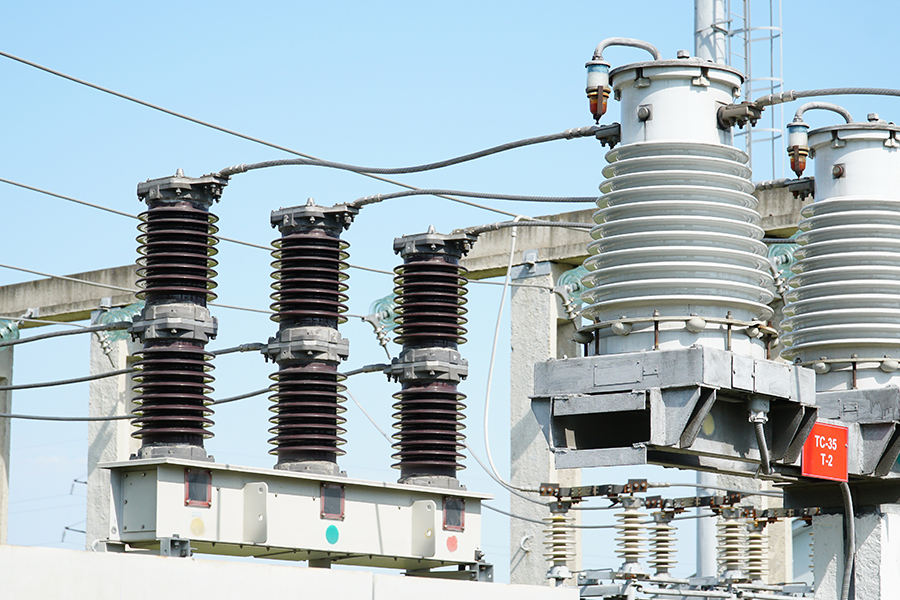
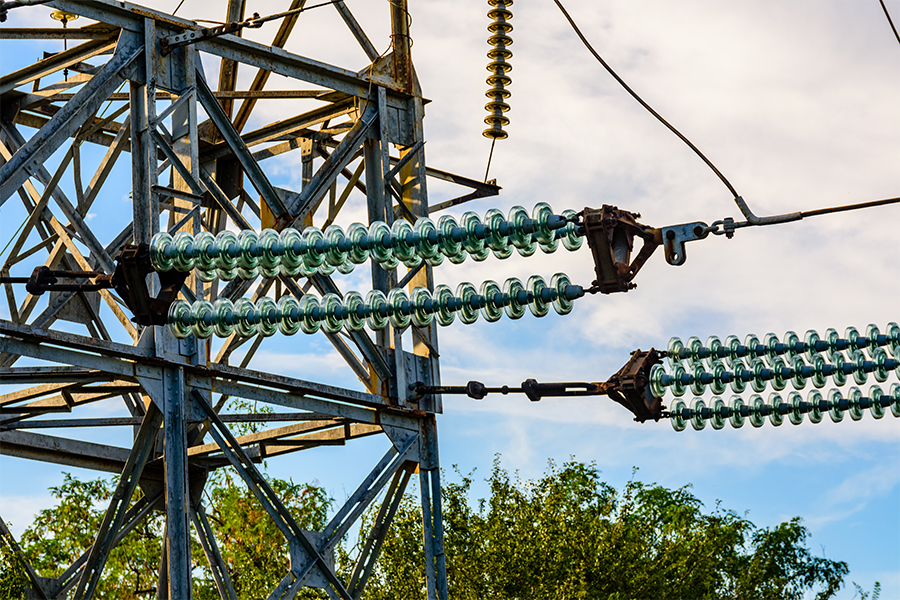
Inspect Bushings and Insulators: Check bushings and insulators for cracks, contamination, or damage. Insulator failure can cause short circuits and reduce transformer efficiency.
By continuously implementing these maintenance measures, power utilities can improve transformer reliability, safety, and lifespan while minimizing operational disruptions.
Q: What should be noted when selecting transformers for special environments?
A:Highly Polluted or Coastal Salt-Spray Environments: Oil-immersed transformers inherently possess strong environmental adaptability. For coastal or heavy industrial areas, we can provide superior salt-spray and corrosion protection through special processes such as thickened anti-corrosion coatings and stainless-steel accessories, ensuring long-term stable operation in harsh environments.
High-Temperature Environments: Continuous high temperatures reduce heat dissipation efficiency and accelerate the aging of insulating oil and paper. Therefore, for operation in high-temperature regions, we typically recommend appropriately reducing the load rate (derating) or installing additional forced-air cooling devices.
Low-Temperature Environments: Extreme cold can drastically increase the viscosity of insulating oil, severely hindering internal oil circulation and heat dissipation, and potentially making rubber seals brittle and prone to leakage. For such environments, we select special transformer oils with extremely low pour points (e.g., -45°C or -50°C grades).
High-Altitude Environments: Thin air and low atmospheric pressure at high altitudes present a dual challenge: significantly reduced air convection cooling capacity (leading to increased temperature rise) and lowered air dielectric strength (breakdown voltage), which easily triggers external insulation discharge. Therefore, transformers used at high altitudes must have increased external insulation distances per standards (e.g., increased creepage distance for bushings) and typically require increased heat dissipation area or derating design to compensate for reduced cooling efficiency.
High-Humidity Environments: Excessive humidity can cause condensation on the transformer surface, reducing external insulation performance and even triggering flashovers. To address this, we enhance the creepage distance design of external insulation components like bushings and ensure the absolute reliability of the sealing system to prevent moisture intrusion.
Sandy/Dusty Environments: In areas with frequent sand and dust storms, dust easily adheres to and blocks the gaps in cooling tubes (or fins), impeding heat dissipation. Furthermore, conductive dust, when exposed to moisture, adheres to the high- and low-voltage bushings, easily causing external flashovers or short circuits. For such environments, we optimize the tube spacing of external radiators to reduce dust adhesion, apply anti-pollution flashover designs to high- and low-voltage bushings (e.g., increasing creepage distance or using silicone rubber sheds), and strengthen the full-sealing protection of the enclosure to ensure stable operation in sandy conditions.
Q: What information is required to obtain a quote for a distribution transformer?
A: To receive a quick and accurate quote, please first provide the following core parameters:
Transformer Type: Oil-immersed / Dry-type
Rated Capacity (kVA)
Primary and Secondary Voltage Levels
Rated Frequency (50 Hz or 60 Hz)
Number of Phases (Single-phase or Three-phase)
Winding Material: Copper or aluminum windings supported; each has distinct advantages in cost and performance.
Vector Group& impedance voltage (%): (Must be provided if multiple units are to be operated in parallel)
Additionally, our transformers support customization. You may supplement the following information based on your actual needs:
Tap Changer Type: Standard off-load tap changer, or optional on-load tap changer (OLTC)
Loss Standards: Are there specific loss standards or energy efficiency class requirements?
Installation environment: (e.g., altitude, extreme temperature,etc.)
Other Requirements: (e.g., execution standards, special protection ratings, instrument accessories, etc.)
Protection Type: Choose a conventional transformer requiring external protective devices, or a CSP transformer with built-in lightning arresters and internal fuses to enhance safety and reduce installation costs.
Installation Method: Top-mounted or crossarm-mounted, flexibly adapting to different pole structures.
Wildlife Protection: We offer optional wildlife protection devices (e.g., bird guards) and special coatings to prevent interference from severe weather and biological activity.
If you are looking for reliable power support for your project, please contact the Kima Electric team.
- Direct Factory & Manufacturer: We are a professional China Pole-Mounted Single-Phase Cylindrical Oil-Immersed Distribution Transformer manufacturer (available in 11kV,13.2kV,13.8kV,33kV, 34.5kV, and other voltages). Our factory is equipped with advanced production facilities and accepts OEM/ODM orders.
- Reliable Supplier: We serve as a trusted international supplier for global buyers looking to source high-efficiency and low-loss Pole-Mounted Single-Phase Cylindrical oil-immersed distribution transformers from China.
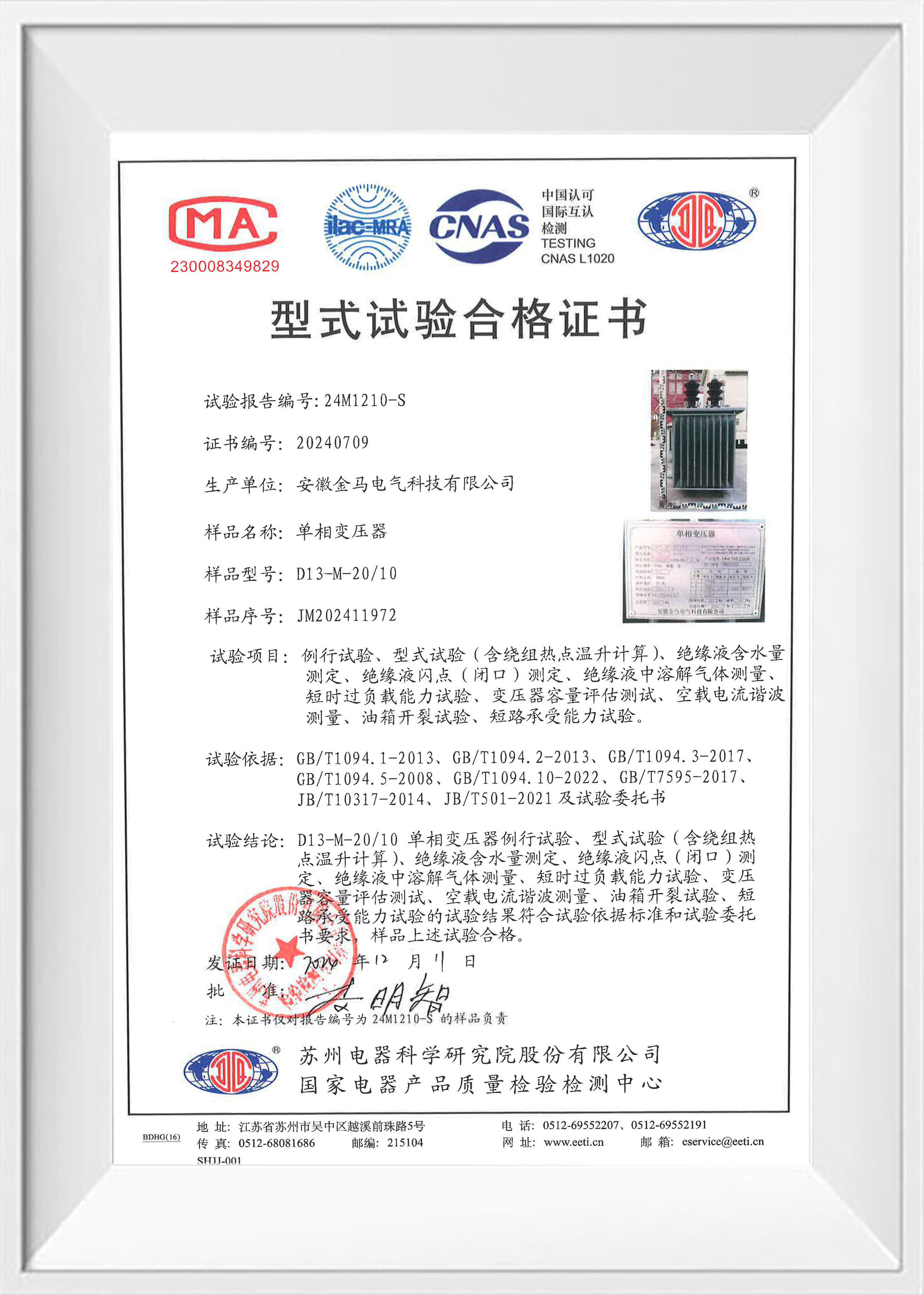
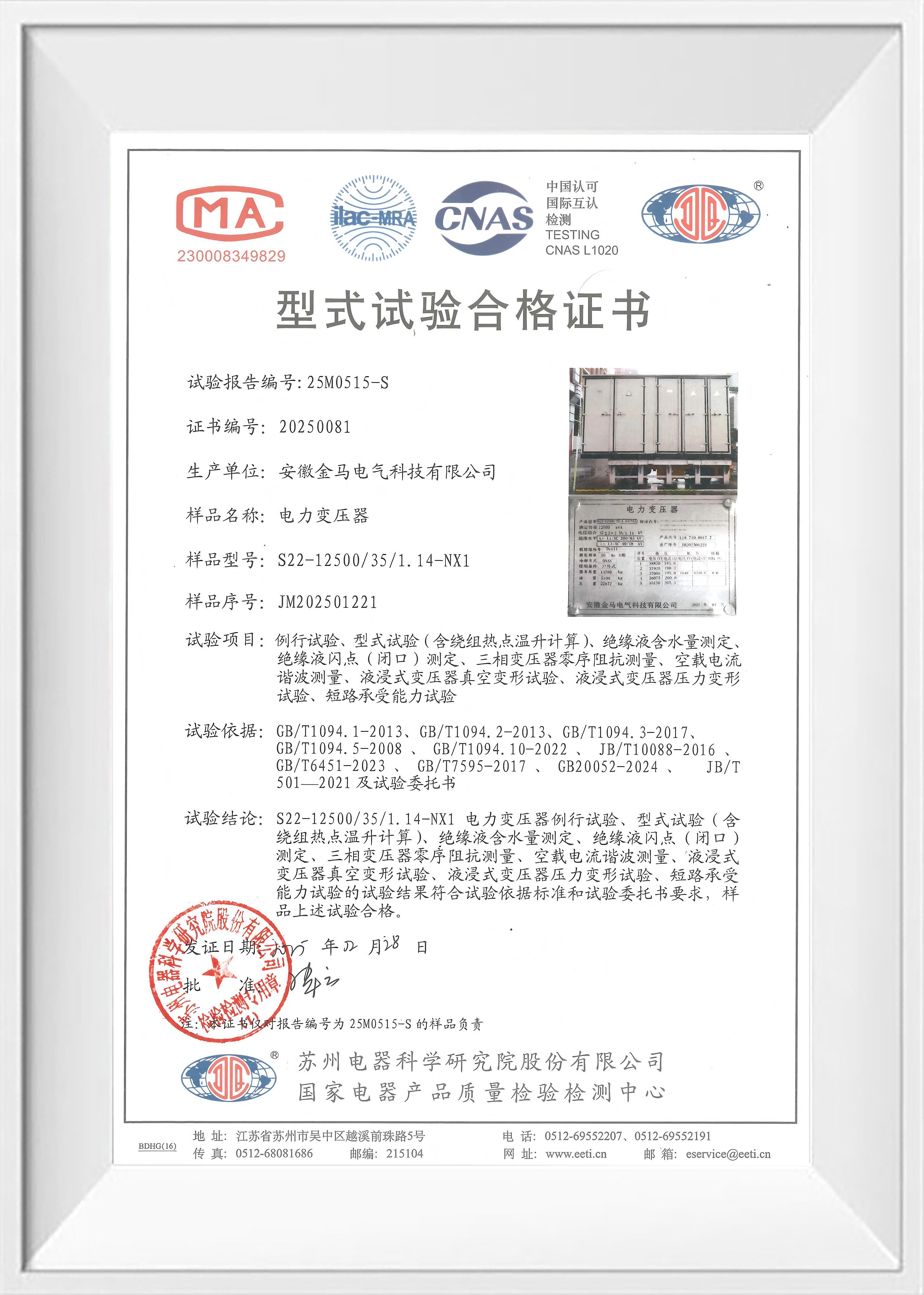
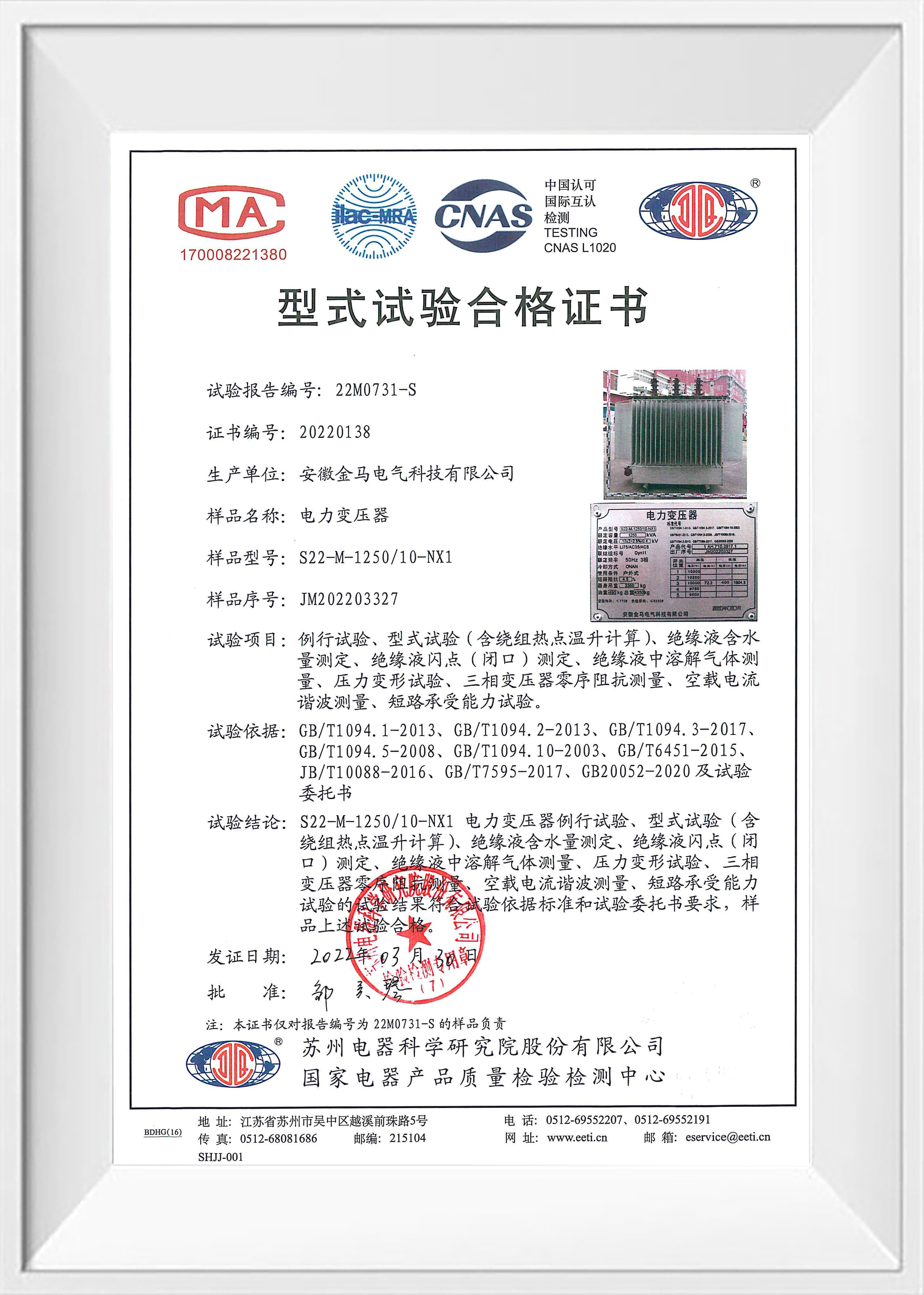
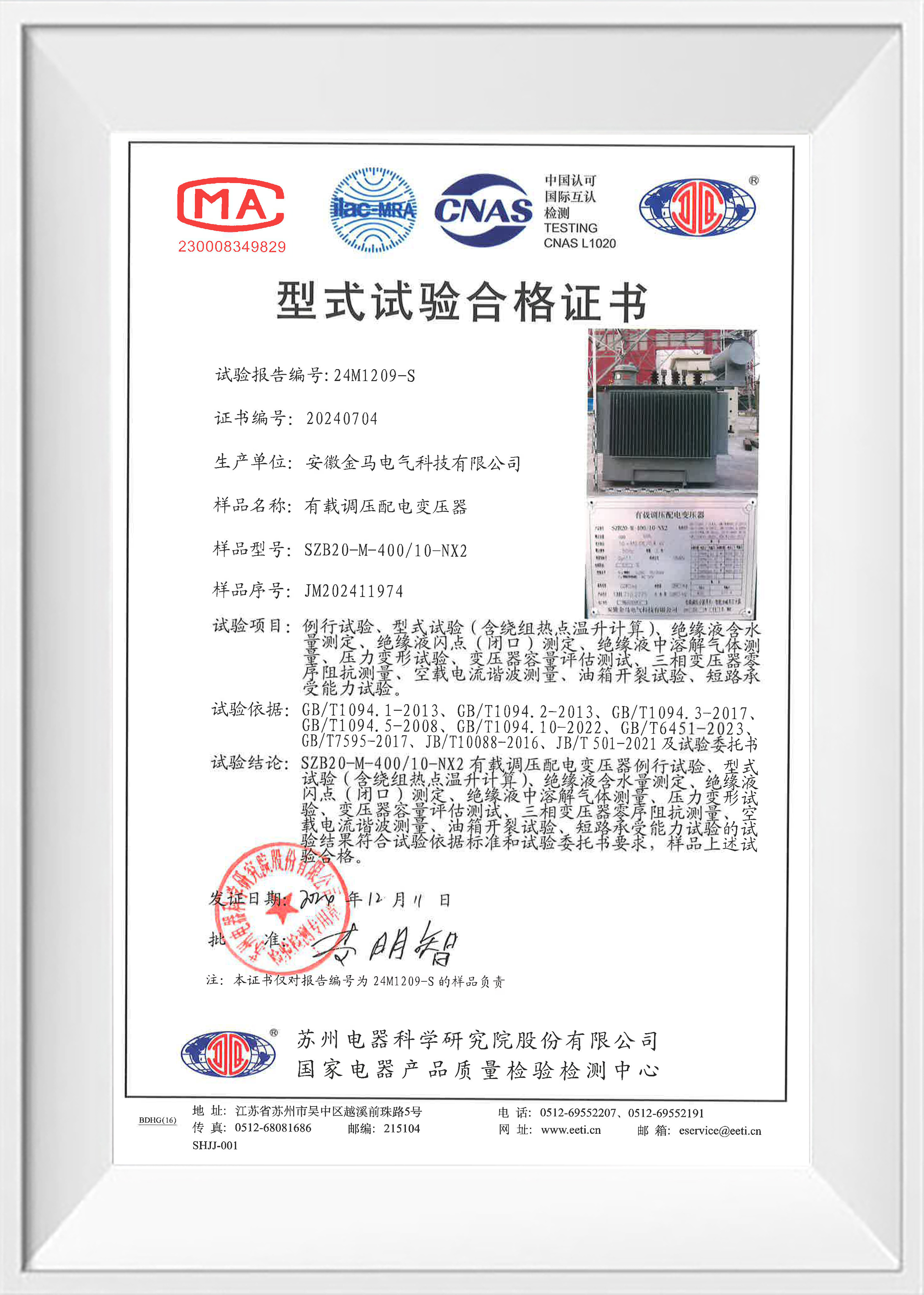
- International Standards & Global Reach: Our transformers are rigorously tested to comply with IEC 60076 and other international standards. We export to diverse markets across Southeast Asia, Africa, and the Middle East, adapting to various local grid environments.
- Competitive Quotation: Contact us today to discuss your project requirements, get a customized solution, and receive a free wholesale quote.
Convenient Inquiry Process
●You can contact us via our website, email, or by downloading and filling out the “Inquiry Application Form” on our official website.
●You may also directly provide your existing technical documents or drawings as a basis for our needs assessment. We will provide you with a quotation as soon as possible.
Production and Quality Control
●Before formal production, we will provide a detailed technical proposal, including specifications and structural drawings, for your review and approval.
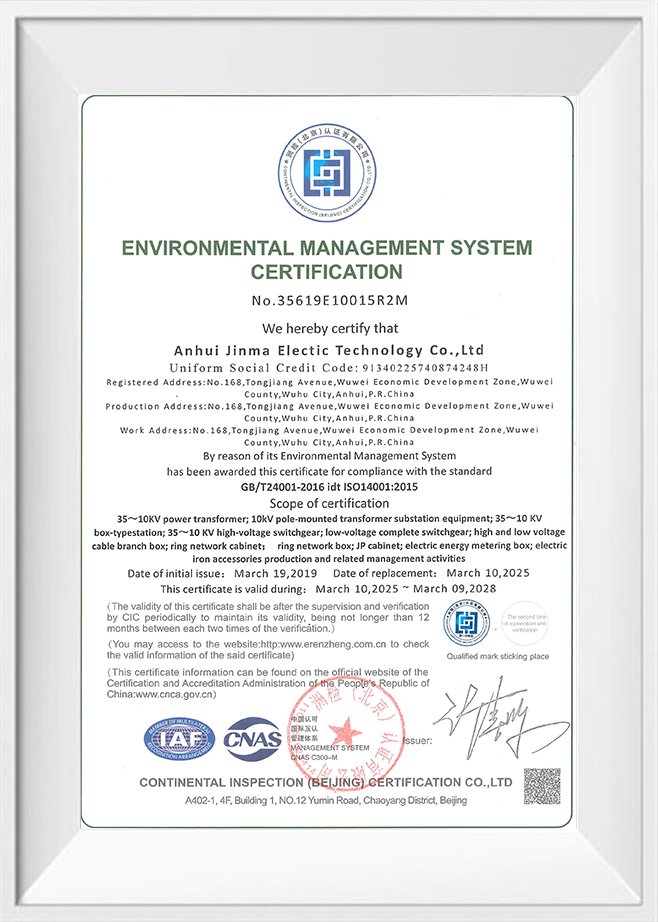
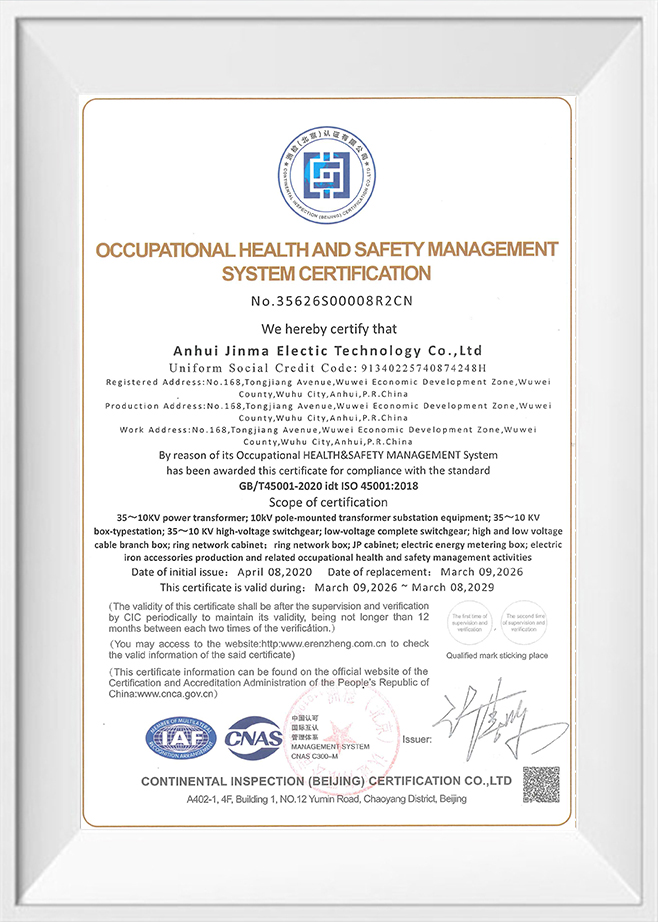
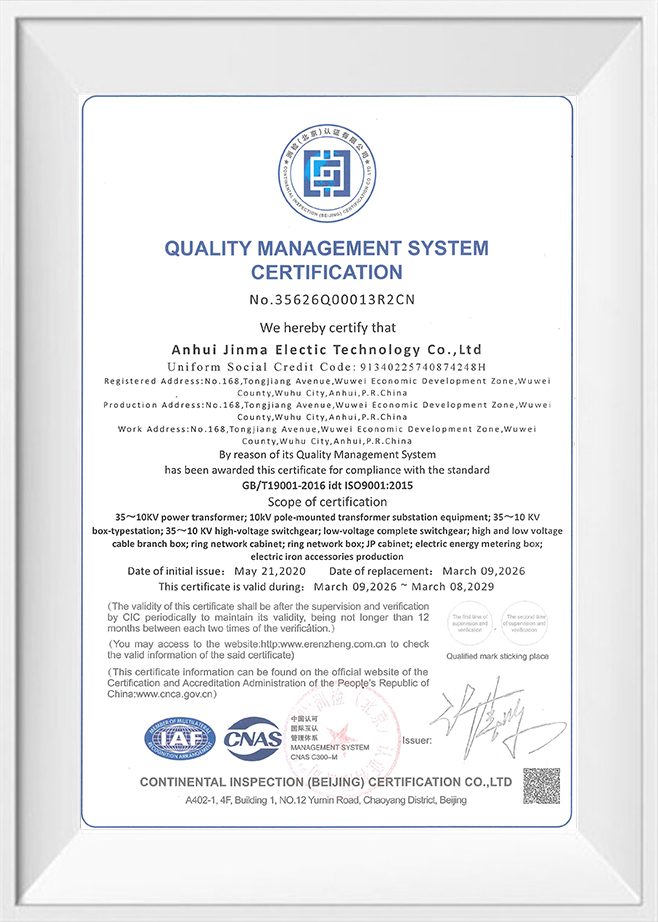
●We strictly implement the ISO quality management system, comprehensively monitoring every stage from raw materials and production processes to finished product inspection to ensure that every customized product possesses stable and reliable quality.
Delivery and After-Sales Service
●We use special wooden crates that meet international standards, lined with high-performance moisture-proof materials, to ensure the equipment remains absolutely safe and dry during long-distance transportation.
●Detailed user manuals, maintenance guides, and related materials are provided with the shipment.
●Remote or on-site installation guidance and commissioning services are available upon request.
●We provide comprehensive technical consultation, troubleshooting, and spare parts supply to ensure the long-term stable operation of the product.a
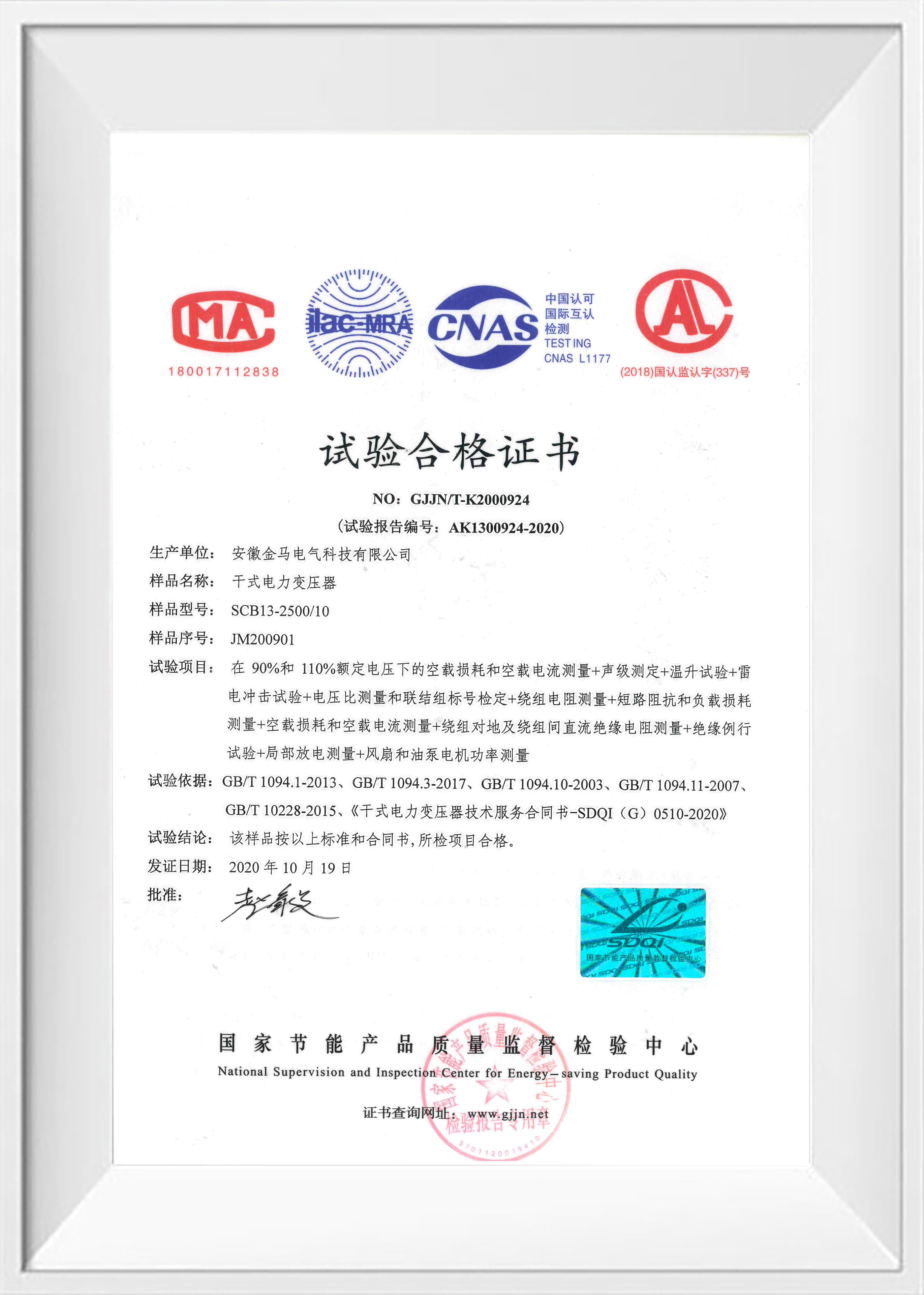
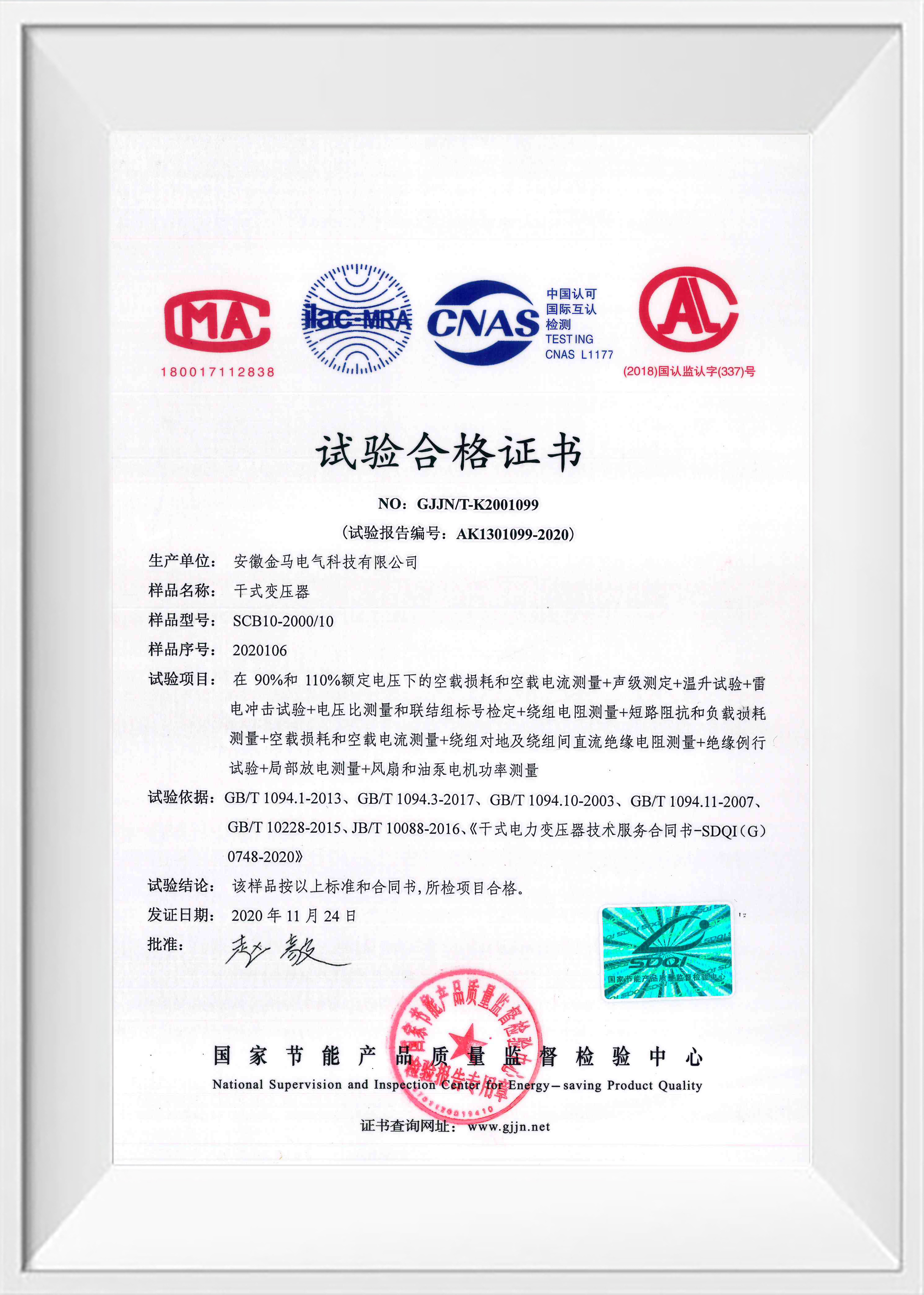
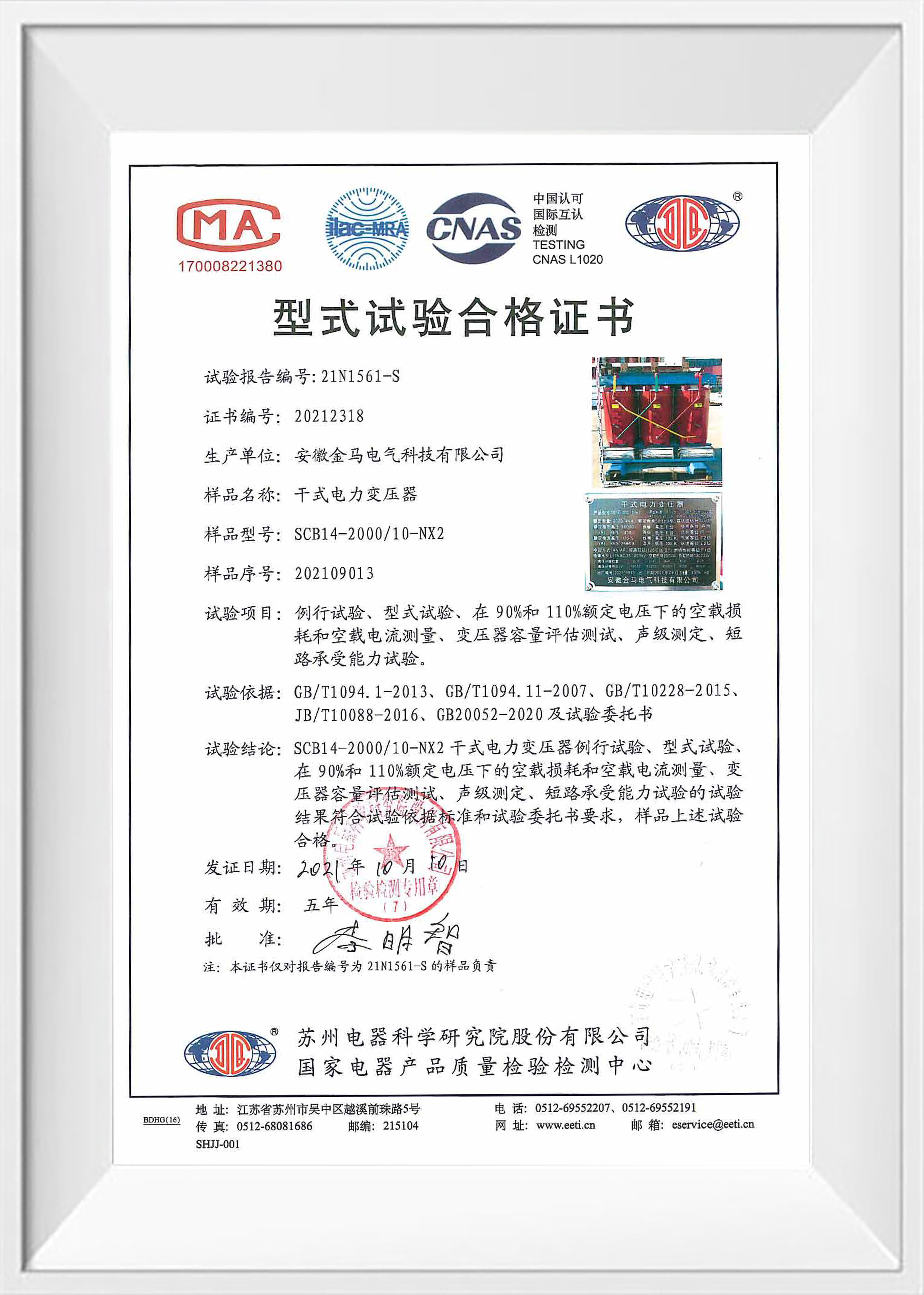
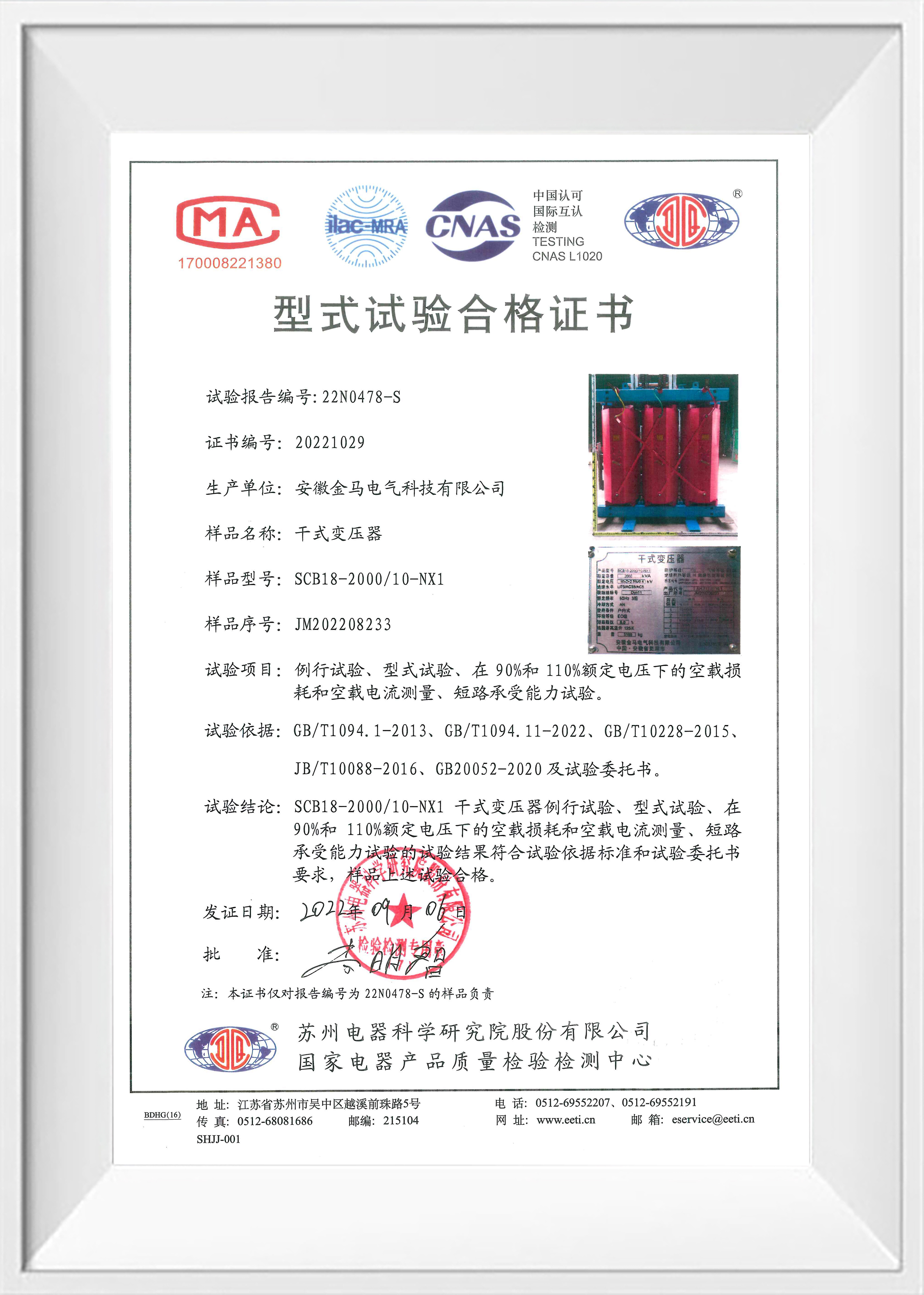
Who Are We
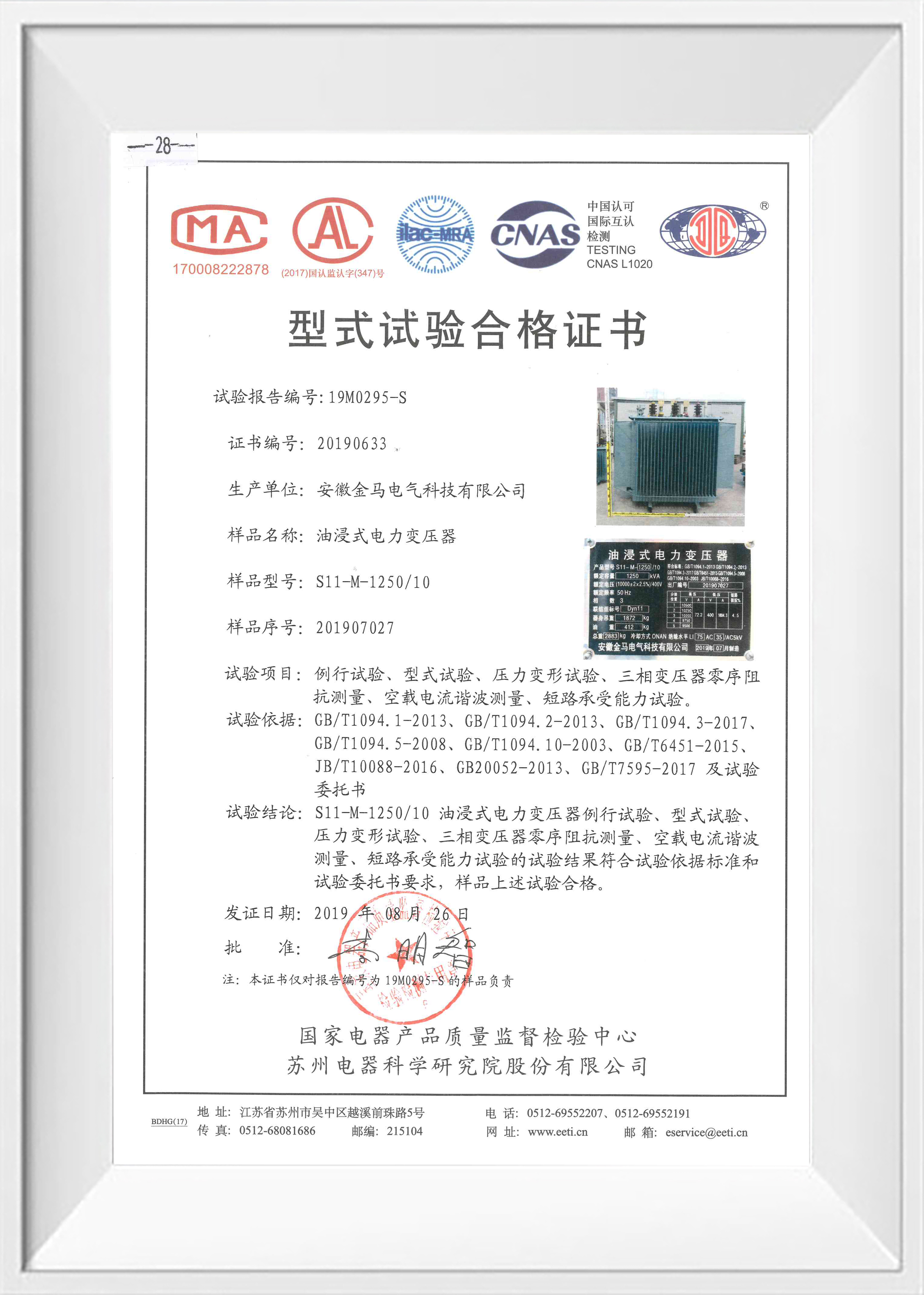
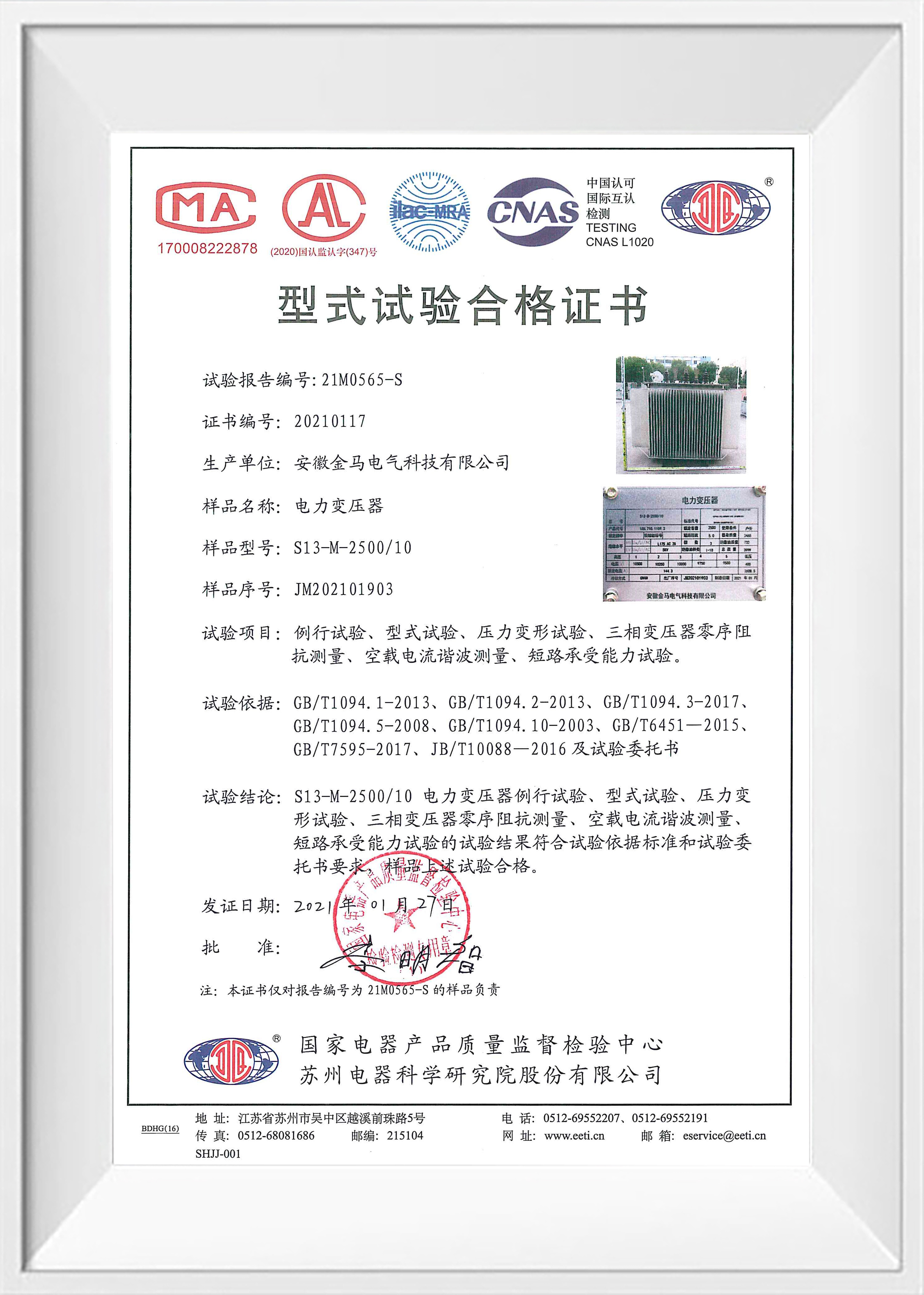
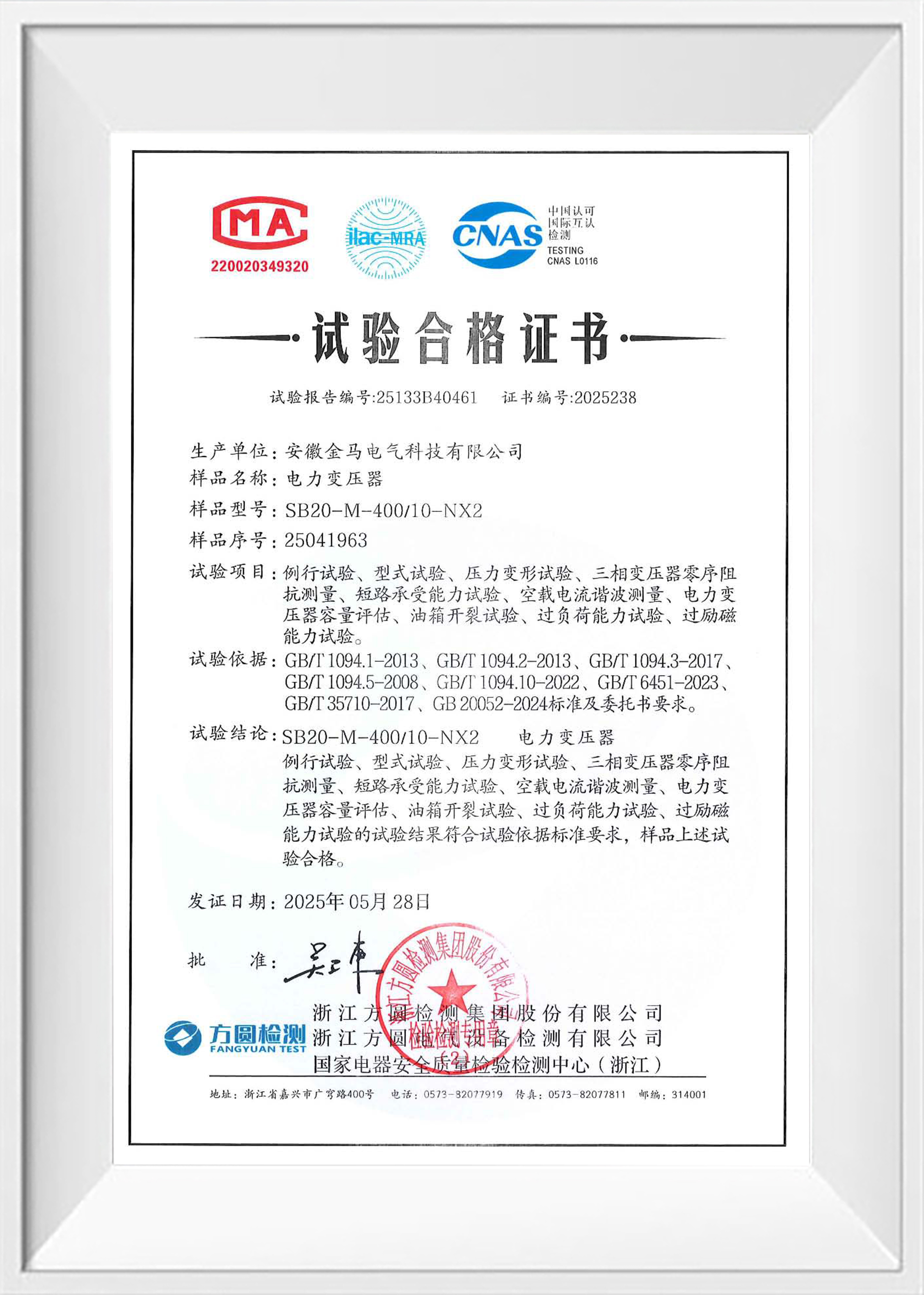
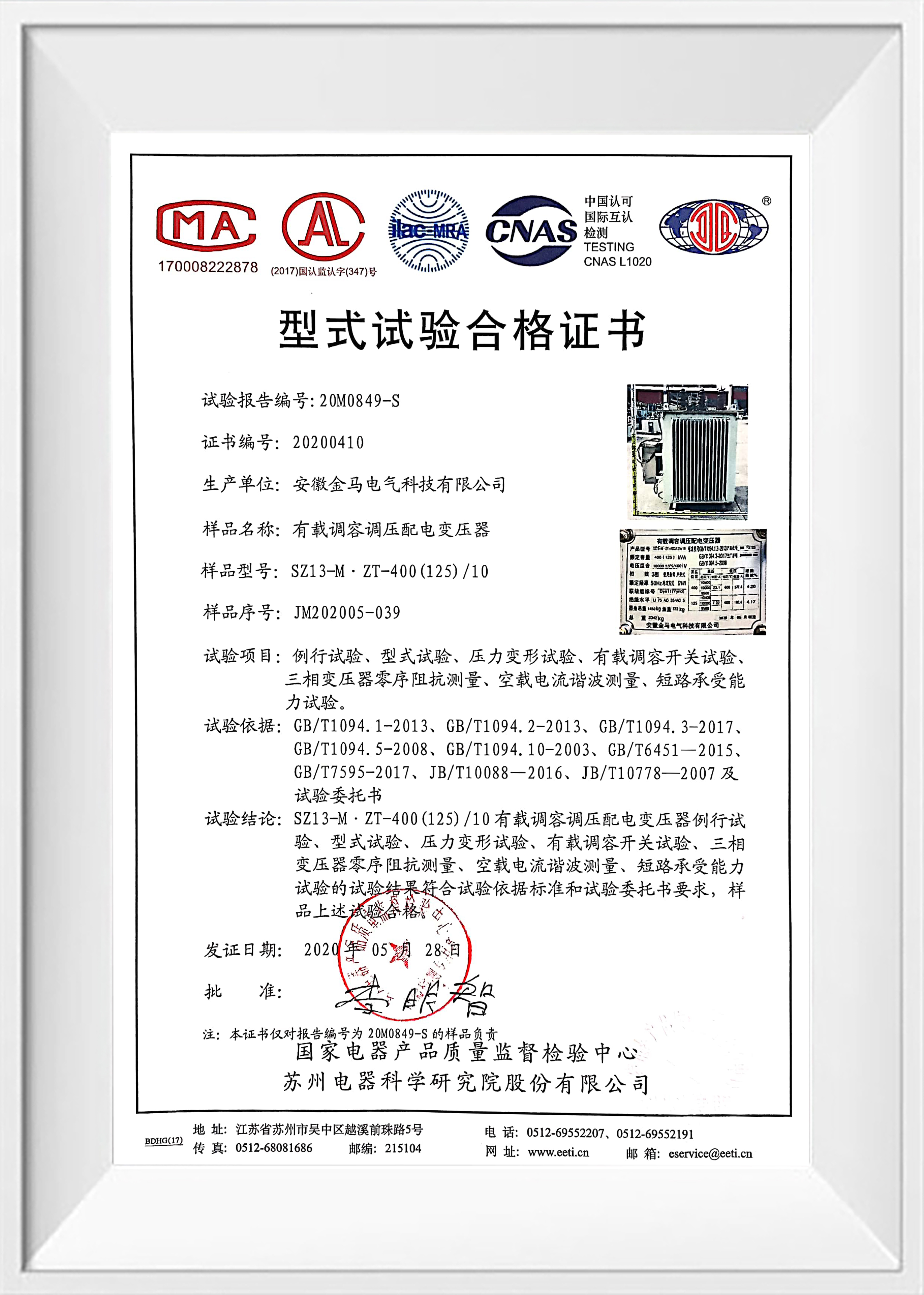
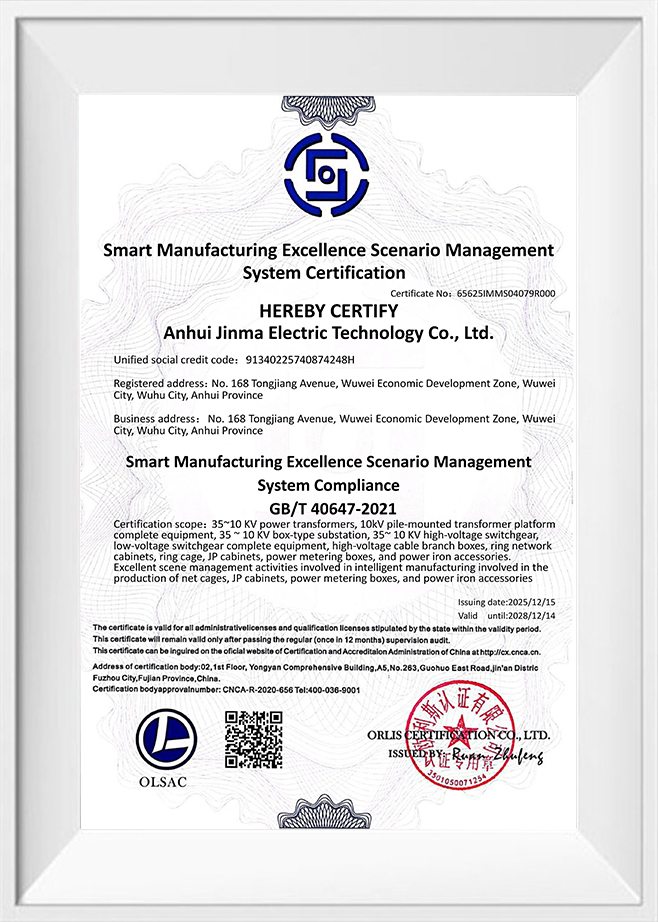
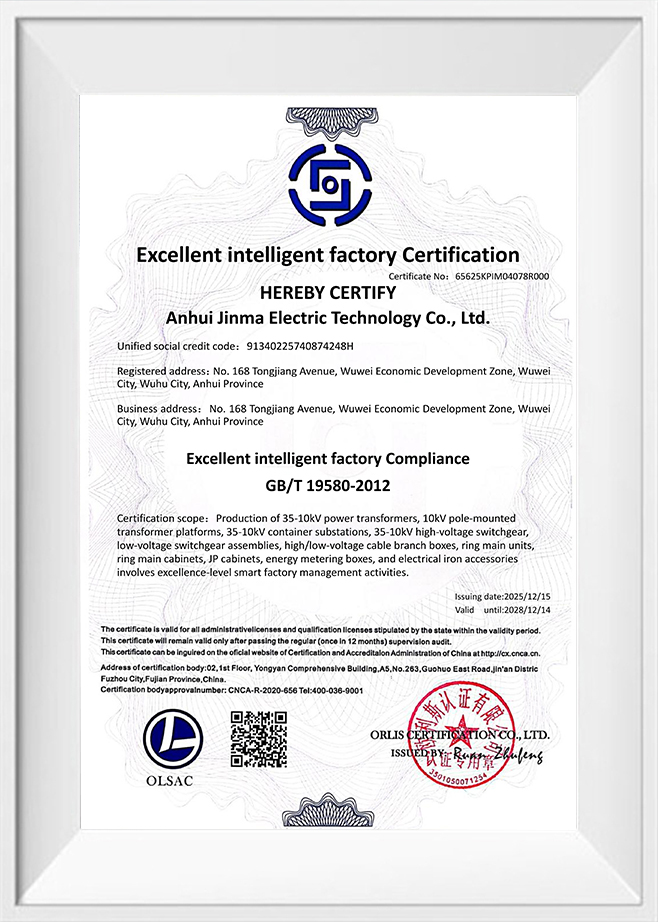
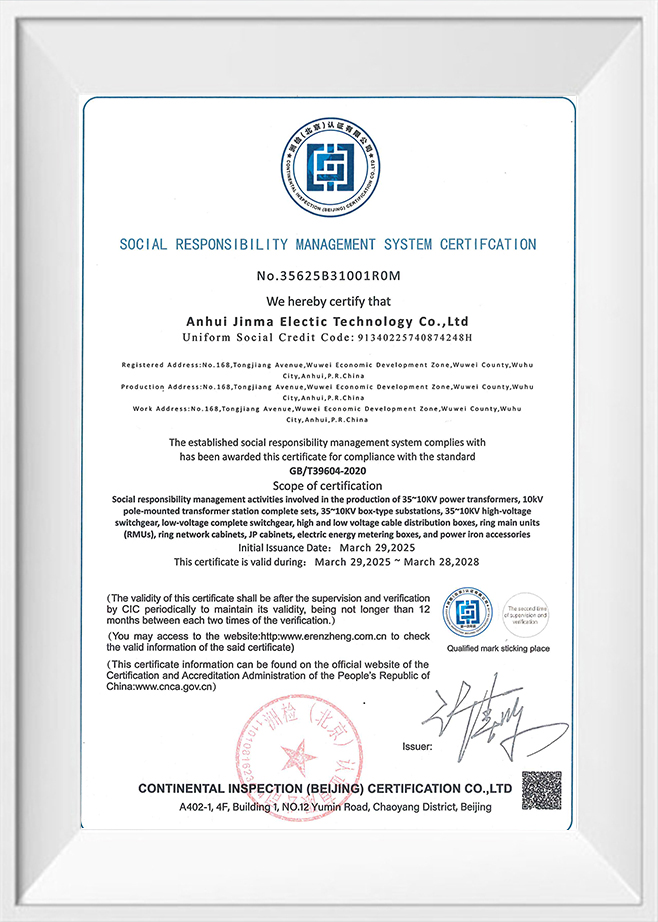
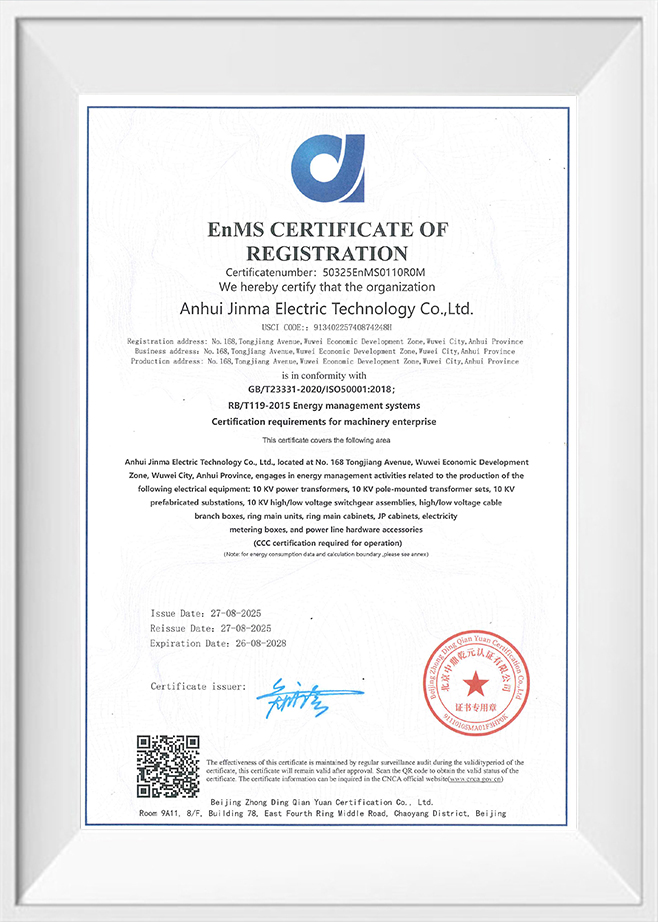
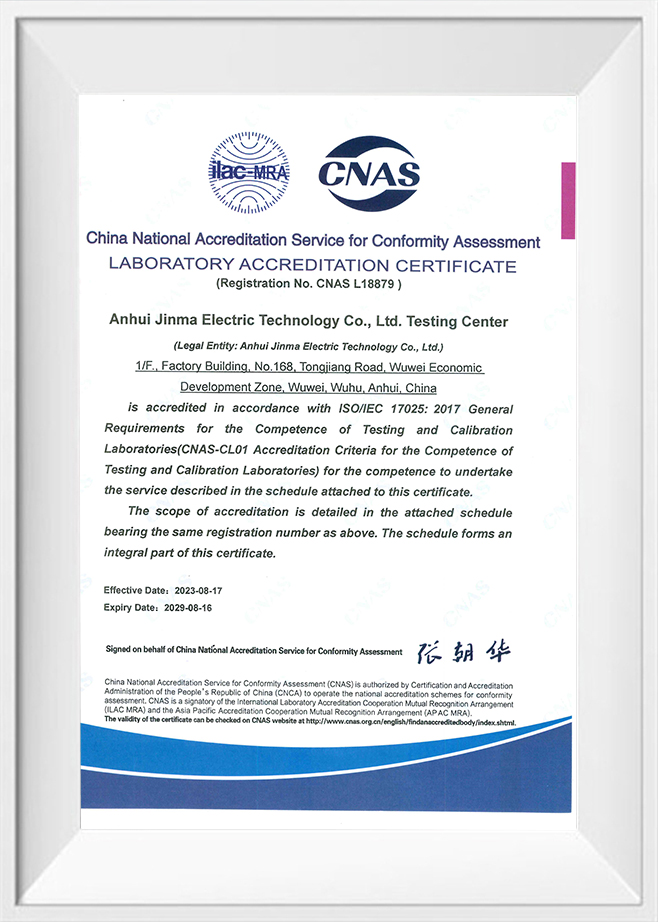
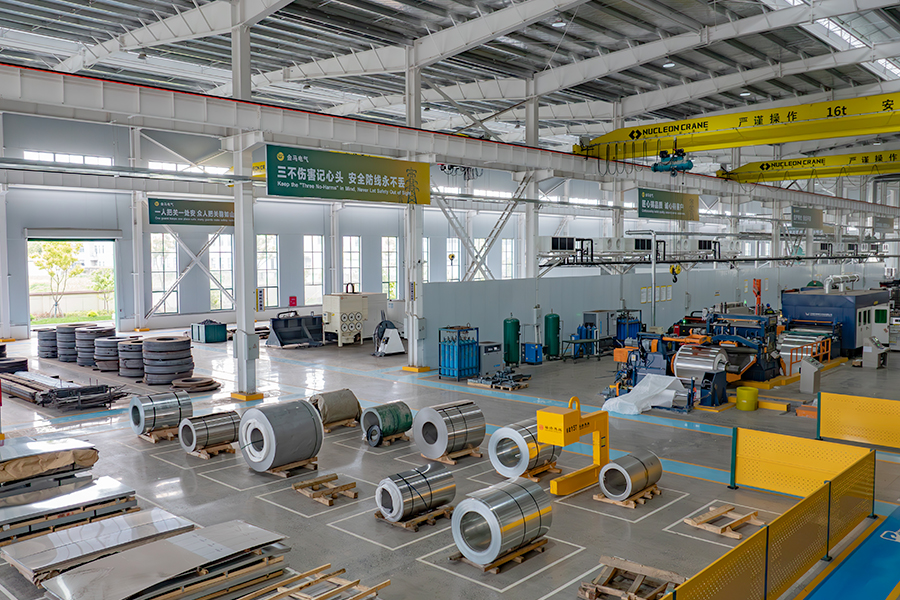
Kima Electric is a global brand under Anhui Jinma Electric Technology Co., Ltd.. and is a professional manufacturer of transformers &power transmission and distribution equipment in China. Established in 2001 and located in Wuwei, Wuhu City, Anhui Province, China ,the company occupies a facility spanning 93 mu (approximately 62,000 square meters) with a building area of 51,000 square meters and a professional team of over 180 personnel. With over 20 years of industry expertise, we have developed a comprehensive production system, rigorous quality control, and a culture of continuous innovation. We are committed to providing global customers with exceptional quality assurance and professional services.
-
0 +
Factory Area (㎡)
-
0 +
Employees
-
0 +
Industry Experience
-
0 +
Countries Sale


> KIMA, Your Trusted Global Partner
for Electrical Power Equipment <
Anhui Kima Electric Technology Co., Ltd.
-
 +86 400 0553 633
-
+86 199 4451 2191
-
 info@kimaelectric.com
-
 No. 168 Tongjiang Avenue, Wuwei Economic Development Zone, Wuwei City, Anhui Province, ChinaNote: Kima is a brand of Anhui Jinma Electric Technology Co., Ltd., China.
+86 199 4451 2191

PRODUCTS
RESOURCES
COMPANY LOCATION MAP
Copyright © Anhui Kima Electric Technology Co., Ltd. All Rights Reserved

-
 0
0
-
-
info@kimaelectric.com
-