info@kimaelectric.com
 +86 199 4451 2191




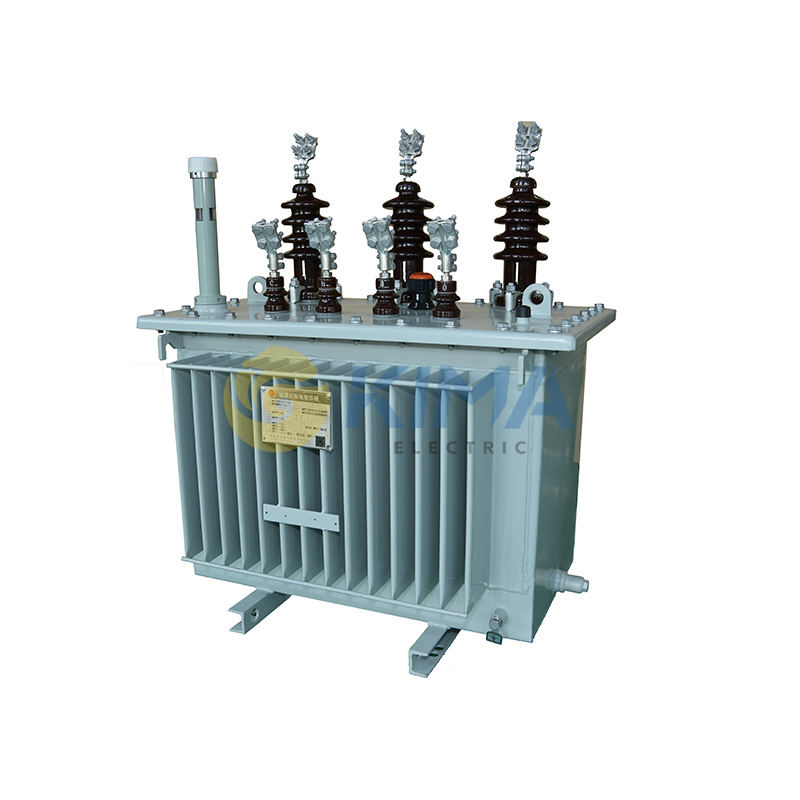
Hermetically Sealed type Three-phase Oil-immersed Distribution Transformer up to 24kV
Product Overview
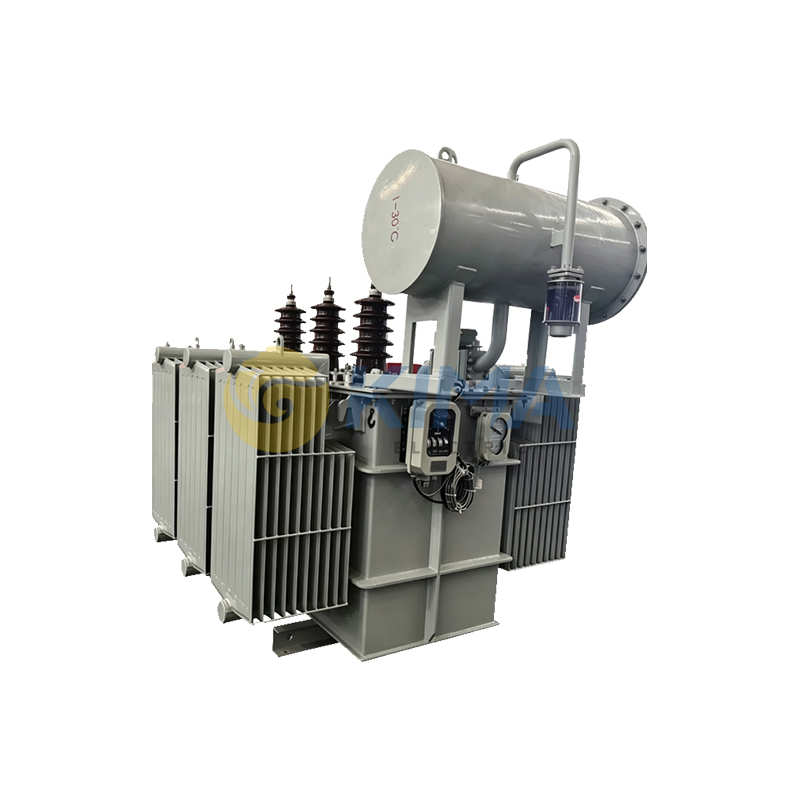
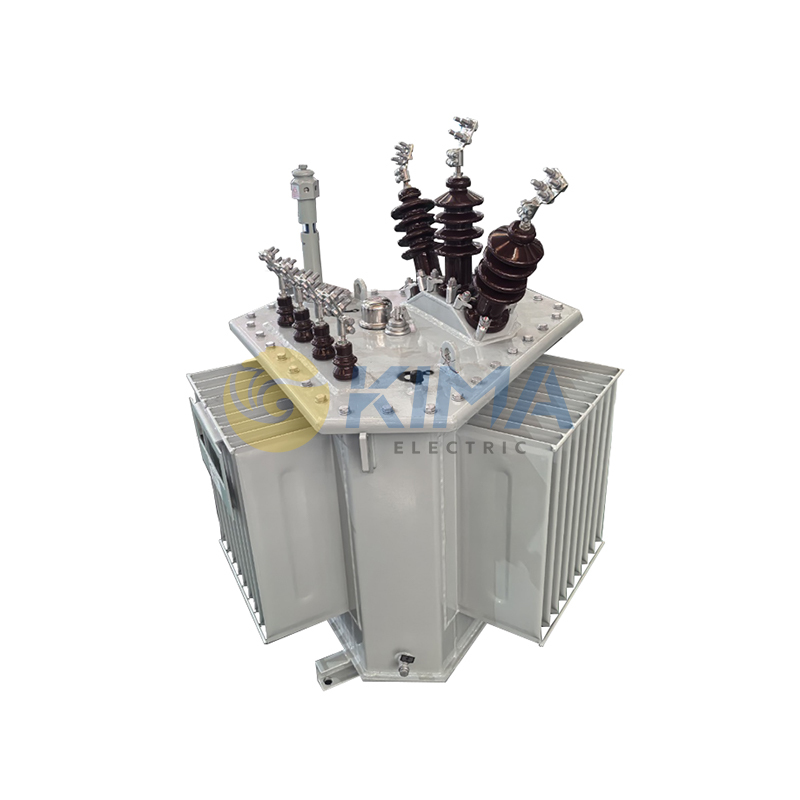
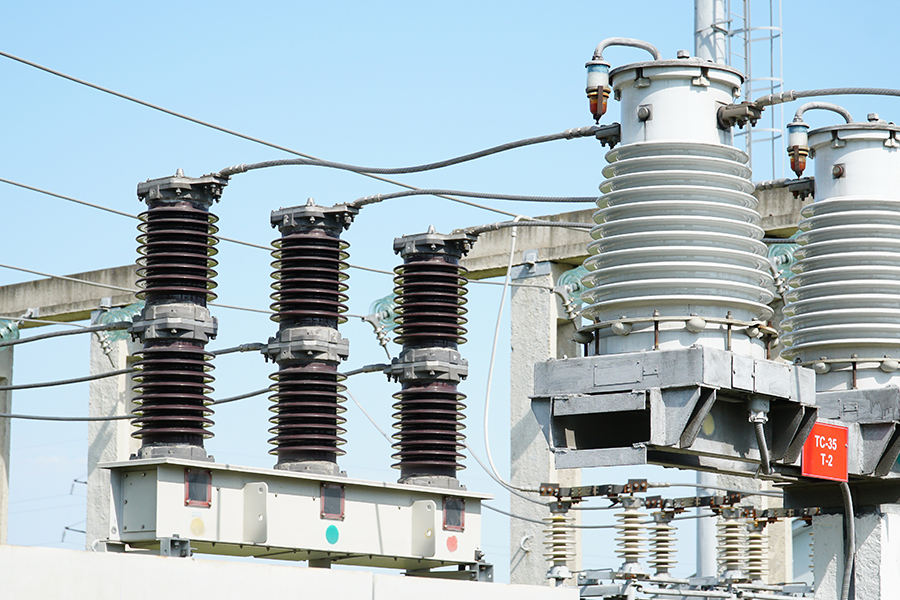
Fully Sealed Oil-Immersed Distribution Transformers (typical models include S11-M, S13-M, S20-M, and S22-M series) feature a fully enclosed corrugated tank structure, eliminating the need for a traditional conservator (oil pillow) and breather. The thermal expansion and contraction of the transformer oil are automatically compensated by the elastic expansion and contraction of the corrugated tank walls. This completely isolates the internal insulating oil from the atmosphere, fundamentally preventing the intrusion of oxygen and moisture, and effectively delaying the aging of both the insulating oil and solid insulating materials. These transformers are widely suitable for urban and rural distribution networks, industrial and mining enterprises, commercial buildings, packaged substations, and outdoor locations with harsh environments.
Technical Specifications
|
Primary voltage rating |
3 to 24kV |
|
Secondary Voltage rating |
230V to 11kV |
|
Power rating |
10 kVA to 2500 kVA |
|
Phases |
Three phase (3ph) |
|
Rated Frequency |
50Hz or 60Hz |
|
Tap Changer |
No-load or on-load tap changer |
Structure and Design Features
|
Item |
Description |
|
Fully Sealed Corrugated Tank |
The tank walls are made of corrugated steel plates, serving dual functions of heat dissipation and "breathing." When the oil temperature rises, the corrugated fins expand slightly; when it drops, they contract, automatically compensating for oil volume changes without the need for a conservator. |
|
Vacuum Oil Filling Process |
After vacuum drying, the core and coil assembly undergoes vacuum oil filling, degassing, and dehydration to maximize the removal of internal moisture and air bubbles, significantly enhancing insulation reliability. |
|
Core |
Made of high-permeability grain-oriented cold-rolled silicon steel sheets (Hi-B), stacked with full mitered joints and a multi-stage circular cross-section to reduce no-load losses and noise. |
|
Windings |
The high-voltage winding is of the multi-layer cylindrical type, while the low-voltage winding is cylindrical or made of copper foil. Corrugated oil ducts and shrink-wrap binding are used to ensure strong short-circuit resistance. |
|
Safety Accessories |
Standard equipment includes a pressure relief valve and an integrated oil level gauge/oil filling plug. Medium and large capacity transformers are equipped with gas relay (Buchholz relay) and oil temperature indicator. provide independent internal fault detection/trip protection and over-temperature alarm/trip protection respectively. |
|
Casing coating |
The tank undergoes a rigorous process of degreasing → sandblasting → phosphating → electrophoresis → electrostatic powder coating, providing excellent resistance to rain and moisture. |
Key Advantages
Maintenance-Free / Low Maintenance: The fully sealed structure eliminates the need for regular oil sampling, oil replacement, or replacing moisture-absorbing silica gel during the operating cycle, significantly reducing operation and maintenance costs.
Long Service Life: By isolating oxygen and moisture, the deterioration rate of the insulating oil is significantly slowed down, with a typical designed service life of 30 to 40 years.
Energy Saving and Low Loss: Utilizing high-quality oriented silicon steel sheets and optimized winding designs, The no-load loss of the S11/S13 series is reduced by 30%–45% compared to the S9 series, and the no-load loss of the S20/S22 series is reduced by 25%–45% compared to the S11 series.
Compact and Safe: The absence of a conservator reduces the overall height by approximately 10% to 15%, facilitating installation in packaged substations or confined spaces. The pressure relief valve provides crucial fault protection.
Strong Environmental Adaptability: Suitable for unsheltered outdoor areas. It can withstand temperatures from -25°C to +45°C (customizable with -45°C low pour point oil, for extreme low-temperature Environment.)
Typical Technical Parameters
|
Parameter |
Specification |
|
Rated Voltage |
HV: 6kV / 10kV / 20kV; LV: 0.4kV / 0.8kV |
|
Rated Capacity |
30kVA ∼ 2500kVA (Three-phase) |
|
Frequency |
50Hz / 60Hz |
|
Vector Group |
Dyn11 (Recommended) / Yyn0 |
|
Tap Changing Method |
Off-circuit tap changer, ±5% or ±2×2.5% |
|
Cooling Method |
ONAN (Oil Natural Air Natural), ONAF (Forced Air Cooling) optional |
|
Short-Circuit Impedance |
4% (≤630kVA) / 4.5% or 6% (≥800kVA), depending on capacity |
|
Insulation Class |
Class A (Max permissible temperature 105℃); Top oil temperature limit 85∼95℃ |
Comparison of Transformer Structural Types
|
Transformer Structure Type |
Typical Voltage Levels (kV) & Applicable Capacity Range (kVA) |
Typical Application Scenarios |
|
Sealed Type (Corrugated Tank / Hermetically Sealed) |
3 kV / 24 kV: ≤ 2500 kVA (up to 3150 kVA in some designs) |
Urban distribution networks, compact substations (box-type), small industrial plants, photovoltaic inverters. |
|
Conservator Type (with Conservator / "Oil Pillow") |
10 kV / 24 kV: ≥ 800 kVA (or 2500 kVA and above) 35 kV: ≥ 100 kVA |
Large substations, heavy industry, long-distance power transmission, high-voltage step-down stations. |
Oil-Immersed Distribution Transformers FAQ
Q: What is the designed service life of an oil-immersed transformer?
A: Under standardized operation and regular maintenance, high-quality oil-immersed transformers typically have a service life of 30 to 40 years or even longer. In particular, transformers with a fully sealed corrugated tank design completely isolate the internal insulating oil from the outside environment. This effectively delays the aging of insulating materials, significantly extending the equipment's service cycle.
Q: What daily maintenance do oil-immersed transformers require?
A: Maintenance requirements vary by structure. For traditional conservator-type (oil pillow type) transformers, it is necessary to regularly check oil levels, conduct oil sample testing (such as breakdown voltage and moisture content tests), and periodically replace the moisture-absorbing silica gel in the breather. For fully sealed transformers, maintenance of the breather and conservator is eliminated. Daily tasks are limited to routine external inspections and cleaning, making them truly "maintenance-free" or "low-maintenance" products.
Q: Are there more environmentally friendly alternatives to mineral insulating oil?
A: Yes. In addition to traditional mineral oil, we offer eco-friendly transformers that use biodegradable natural esters or synthetic esters as the insulating medium. These ester-based liquids are not only non-toxic and biodegradable but also feature a higher flash point (excellent fire safety performance). They are highly suitable for locations with strict environmental and fire safety requirements (such as indoor substations, areas near forests, etc.).
Q: What is the core difference between sealed and conservator-type transformers?
A: The core difference lies in whether the transformer is exposed to the atmosphere. Conservator-type transformers are equipped with an independent oil conservator and breather. The oil expands and contracts with temperature changes and absorbs air, requiring more maintenance to prevent moisture absorption and oxidation. Sealed transformers use a fully enclosed structure (such as elastic corrugated tanks), where oil volume changes are accommodated by the deformation of the tank walls. This completely isolates moisture and oxygen from the air, significantly reducing maintenance costs and improving operational reliability.
Q: What are the differences between various vector groups?
A: If your transformer is supplying power independently to a factory or a residential area and does not need to operate in parallel with other transformers, different vector groups (such as the common Dyn11 and Yyn0) can both be used, though they differ significantly in actual performance. However, if you are expanding capacity or replacing an old unit and the new transformer needs to operate in parallel with the old one, you must strictly check the nameplate of the old transformer. The vector group of the new transformer must be exactly the same as the old one — never rely solely on capacity and voltage ratings!
Q: What should be considered in transformer selection for special environments?
A:High pollution or coastal salt mist environments: Oil-immersed transformers inherently possess strong environmental adaptability. For coastal or heavy industrial areas, we can provide superior protection against salt mist and corrosion by using special processes such as thickened anti-corrosion coatings and stainless steel accessories, ensuring stable long-term operation even in harsh environments.
High-temperature environments: Sustained high temperatures reduce the transformer's heat dissipation efficiency and accelerate the aging of insulating oil and paper. Therefore, when operating in high-temperature regions, we usually recommend appropriately reducing the load rate (derating) or installing additional forced air cooling devices.
Low-temperature environments: Extreme cold can cause the viscosity of the insulating oil to increase sharply, severely hindering internal oil circulation and heat dissipation, and potentially making rubber seals brittle, leading to leaks. For such environments, we use special transformer oils with extremely low pour points (such as -45°C or -50°C grades).
High-altitude environments: The thin air and low atmospheric pressure at high altitudes present a dual challenge: first, the reduced convective heat dissipation capability of the air leads to increased transformer temperature rise; second, the reduced insulation strength (breakdown voltage) of the air makes external insulation flashover highly likely. Therefore, transformers used at high altitudes must have increased external insulation distances (such as increased creepage distance on bushings) according to standards, and usually require increased heat dissipation area or derating to compensate for the reduced cooling efficiency.
High-humidity environments: Excessive humidity can easily lead to condensation on the transformer surface, reducing external insulation performance and even causing flashovers. To address this, we enhance the creepage distance design of external insulation components like bushings and ensure the absolute reliability of the sealing system to prevent moisture intrusion.
Dusty/Sandy environments: Dust and sand can easily clog the gaps in cooling fins or corrugated tanks, affecting heat dissipation, and conductive dust may cause external short circuits. For such environments, we optimize the heat dissipation structure design (e.g., increasing fin spacing) and adopt fully sealed protection to prevent dust intrusion.
Q: What information is needed to get a quote for a distribution transformer?
A: To receive a quick and accurate quotation, please first provide the following core parameters:
Transformer Type: Oil-immersed / Dry-type
Rated Capacity (kVA)
Primary and Secondary Voltage Ratings (e.g., 33kV/0.4kV)
Rated Frequency (50Hz or 60Hz)
Number of Phases (Single-phase or Three-phase)
Winding Material: Supports copper or aluminum windings, each with its own cost and performance advantages.
Vector Group & impedance voltage (%): (Must be provided if parallel operation with multiple units is required)
Additionally, our transformers support customization. You can supplement the following information based on your actual needs:
Tap Changer Type (Standard off-circuit tap changer, or optional on-load tap changer)
Loss Standards: Are there specific loss standards or energy efficiency class requirements?
Installation environment (indoor/outdoor, altitude, extreme temperature, etc.)
Other Requirements (e.g., applicable standards, special protection ratings, instrument accessories, etc.)
If you are looking for reliable power support for your project, please contact the Kima Electric team.
- Direct Factory & Manufacturer: We are a professional China Three-phase oil-immersed distribution transformer manufacturer (available in 6.3kV,10kV,11kV, 13.2kV,15kV,20kV,22kV,33kV, and other voltages). Our factory is equipped with advanced production facilities and accepts OEM/ODM orders.
- Reliable Supplier: We serve as a trusted international supplier for global buyers looking to source highly reliable Three-phase oil-immersed distribution transformers from China.
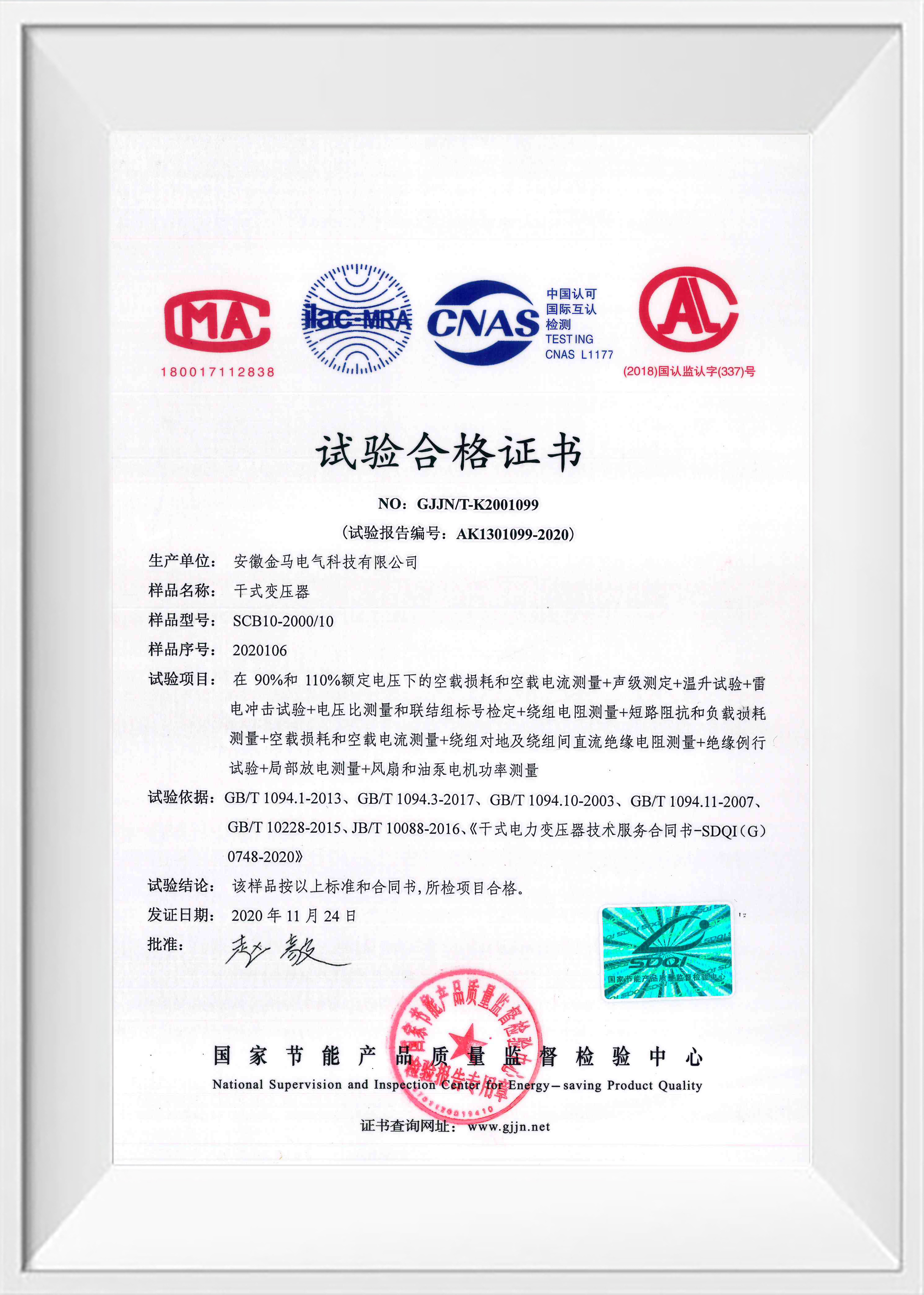
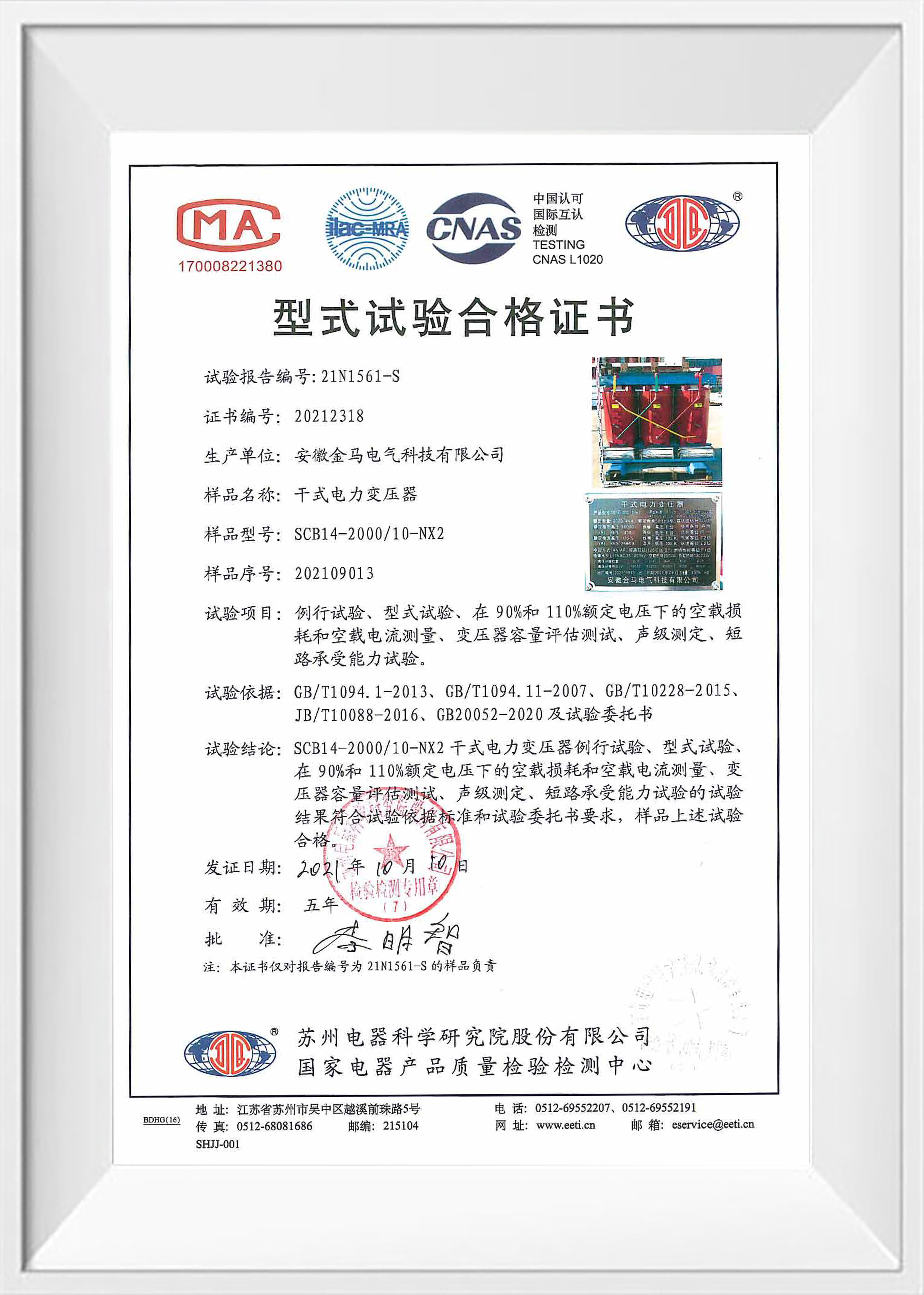
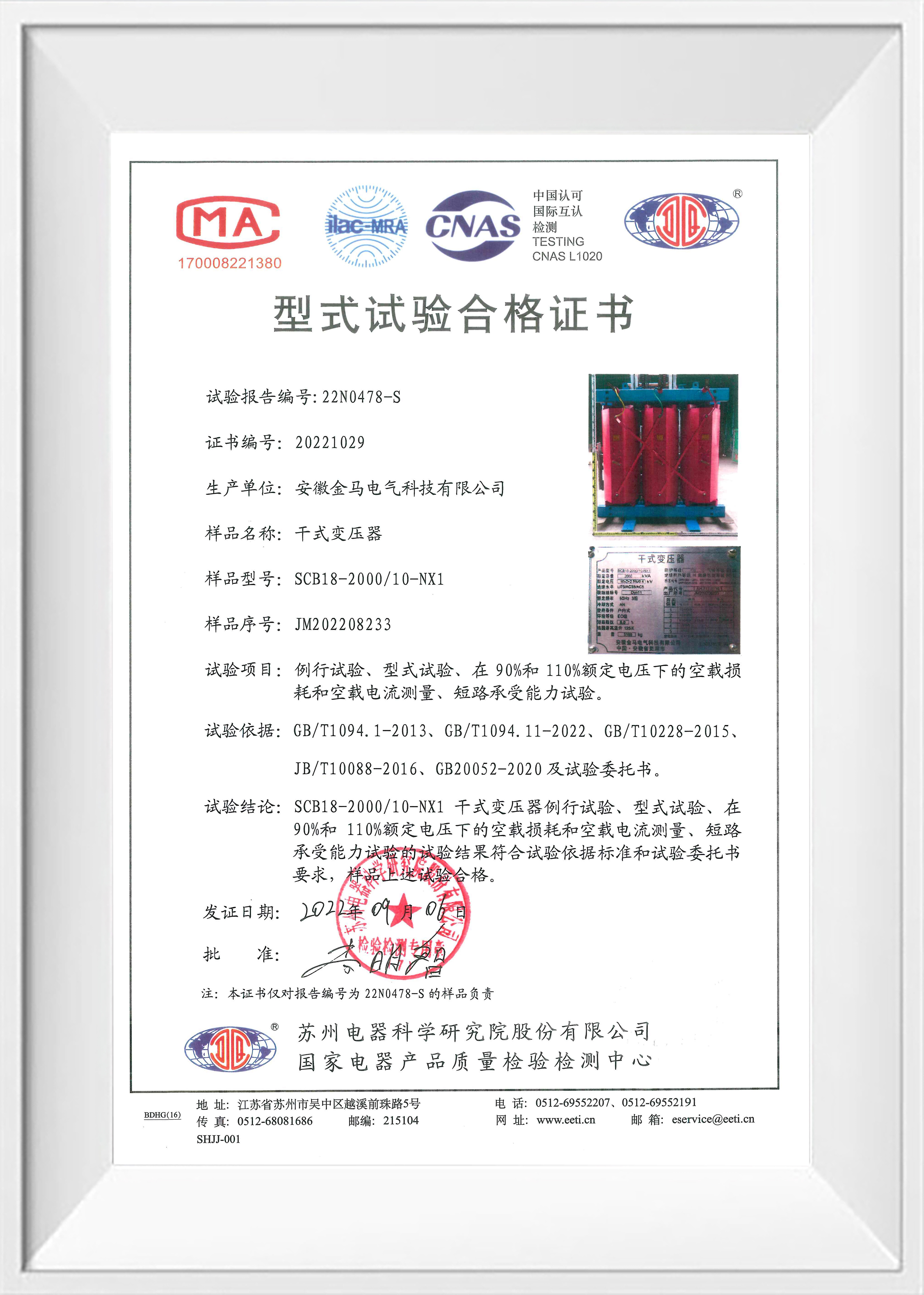
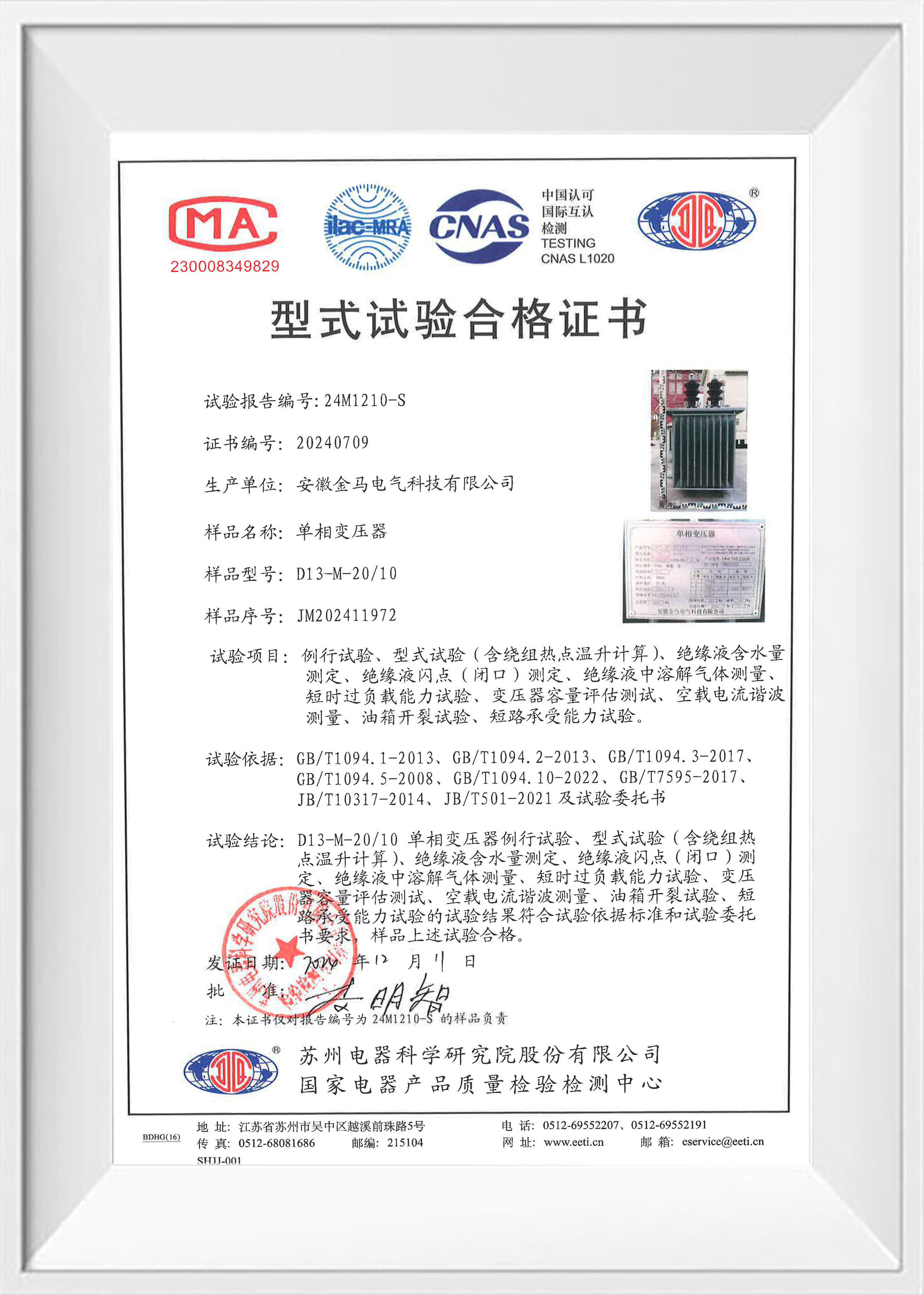
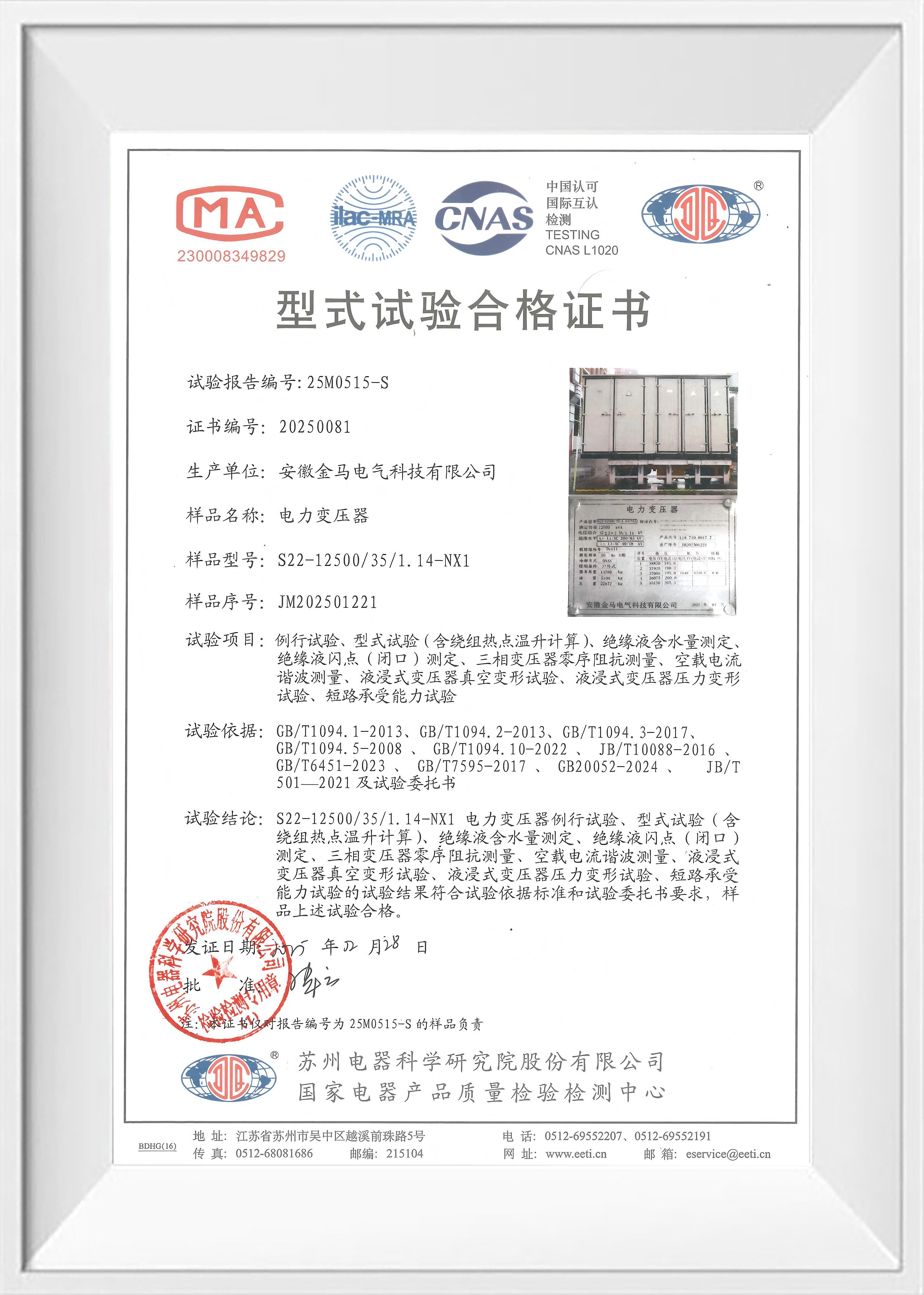
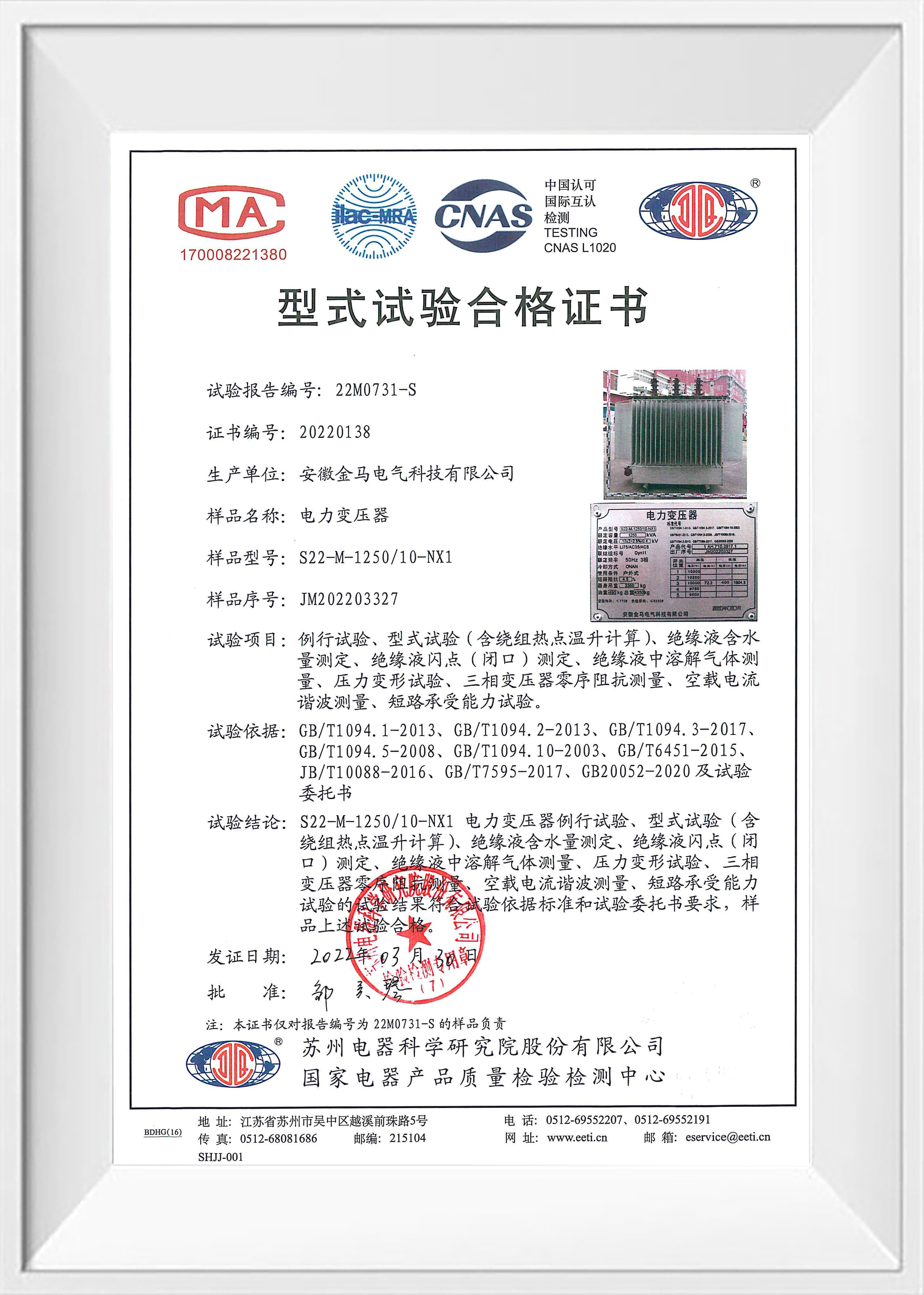
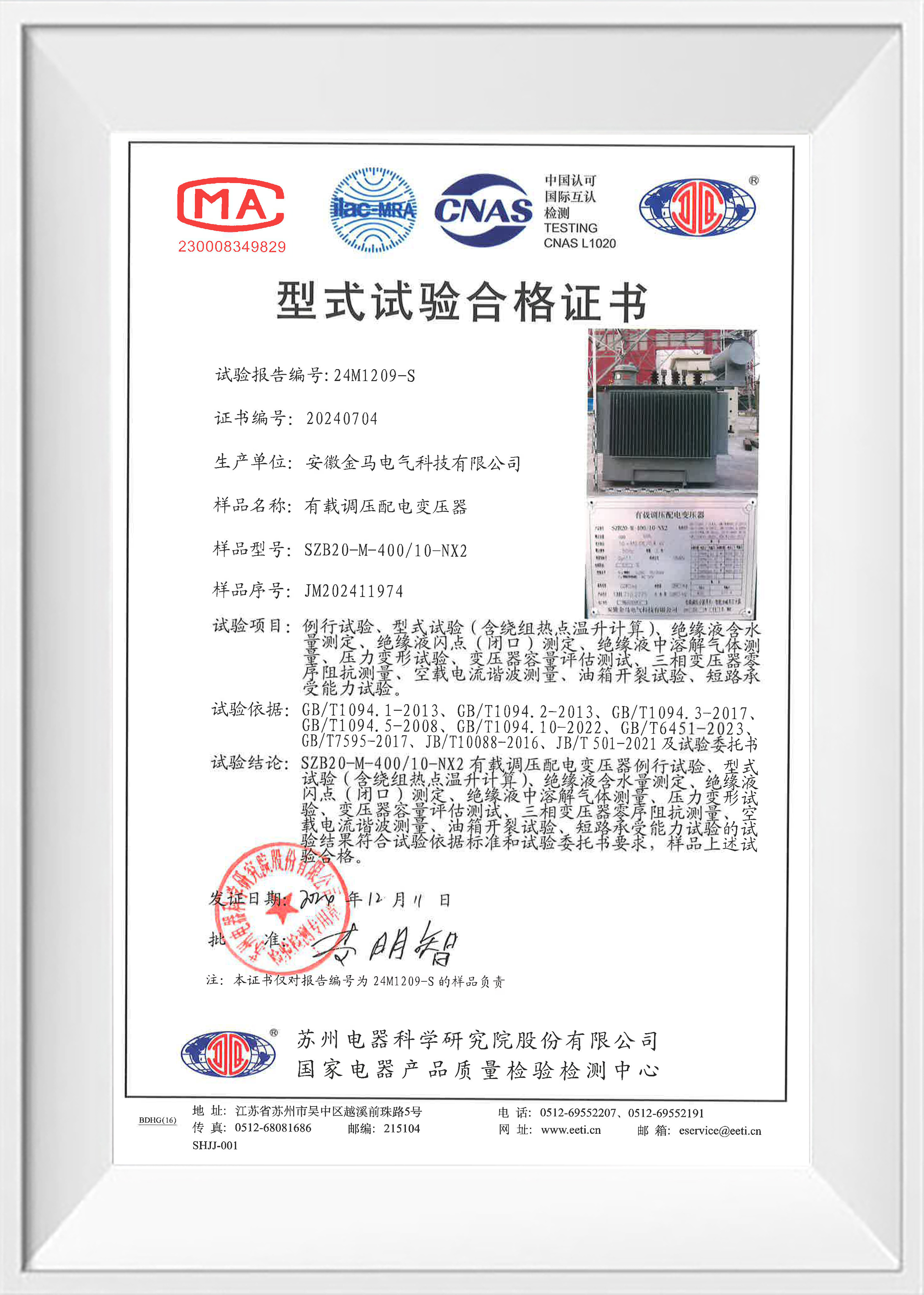
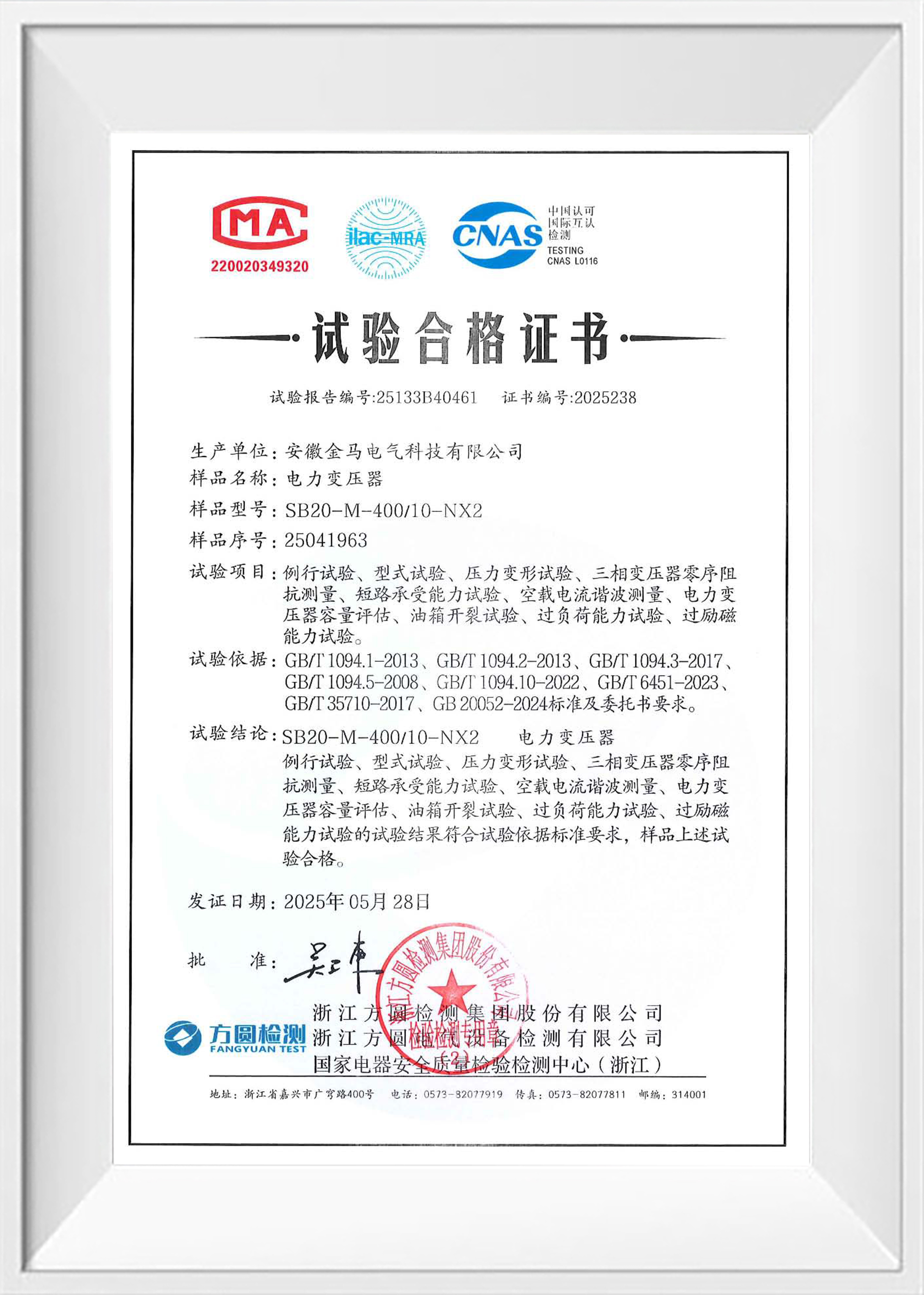
- International Standards & Global Reach: Our transformers are rigorously tested to comply with IEC 60076 and other international standards. We export to diverse markets across Southeast Asia, Africa, and the Middle East, adapting to various local grid environments.
- Competitive Quotation: Contact us today to discuss your project requirements, get a customized solution, and receive a free wholesale quote.
Convenient Inquiry Process
You can contact us via our website, email, and other channels, or download and fill out the "Inquiry Application Form" on our official website.
You can also directly provide your existing technical documents, drawings, etc., as a basis for requirement evaluation. We will provide you with a quotation as soon as possible.
Production and Quality Control
Before formal production, we will provide a detailed technical proposal, including specifications and structural drawings, for your review and confirmation.
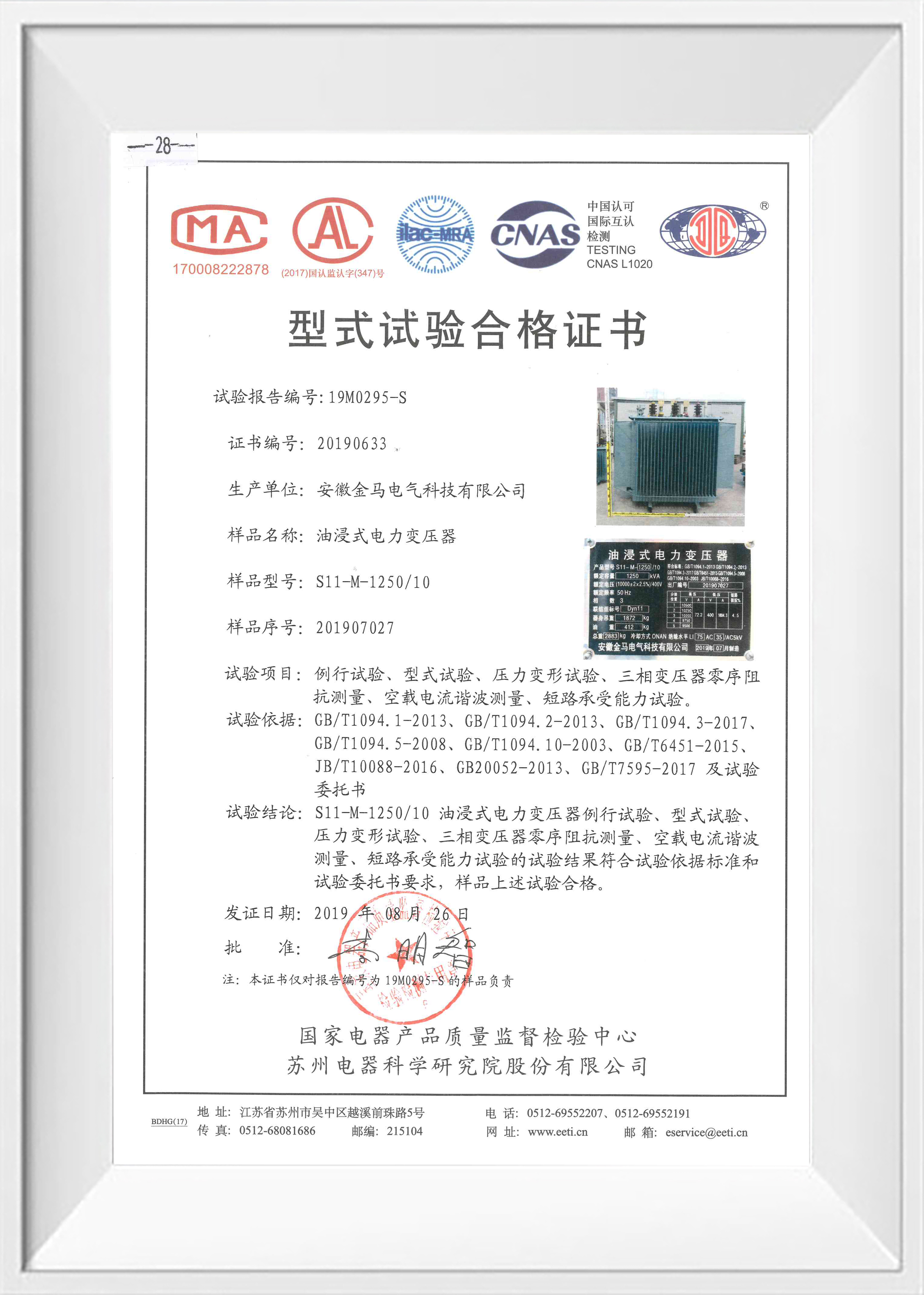
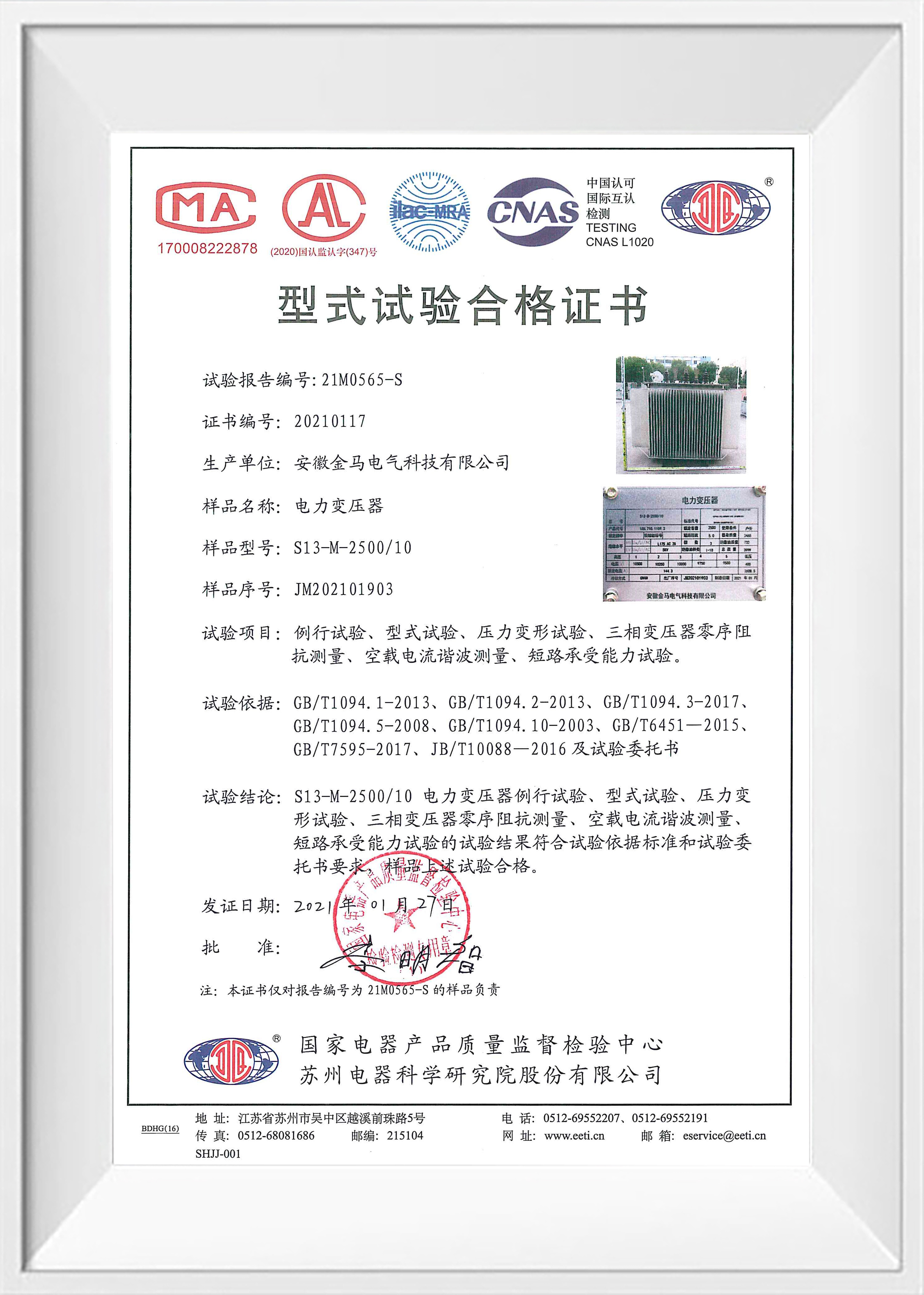
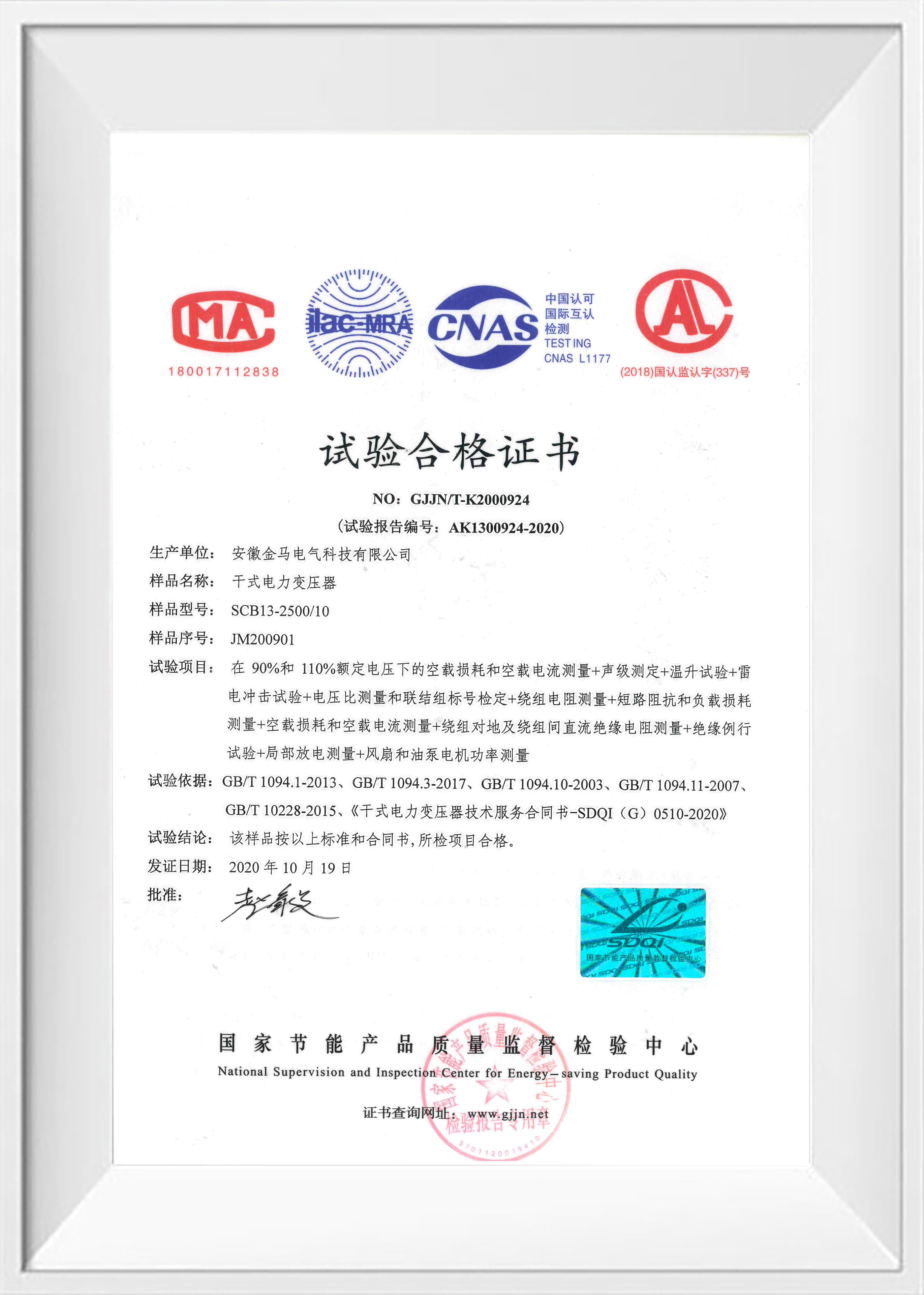
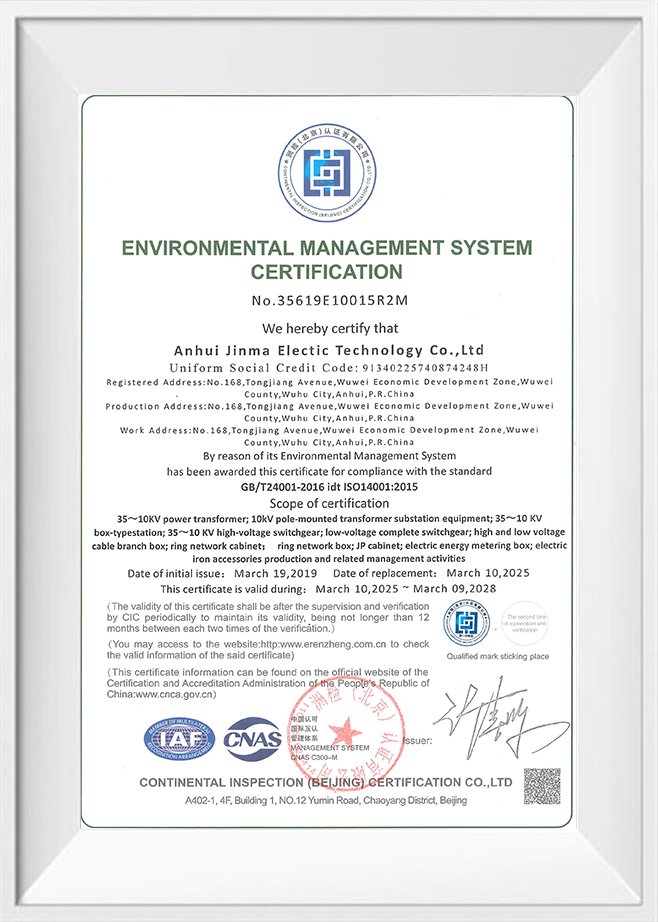
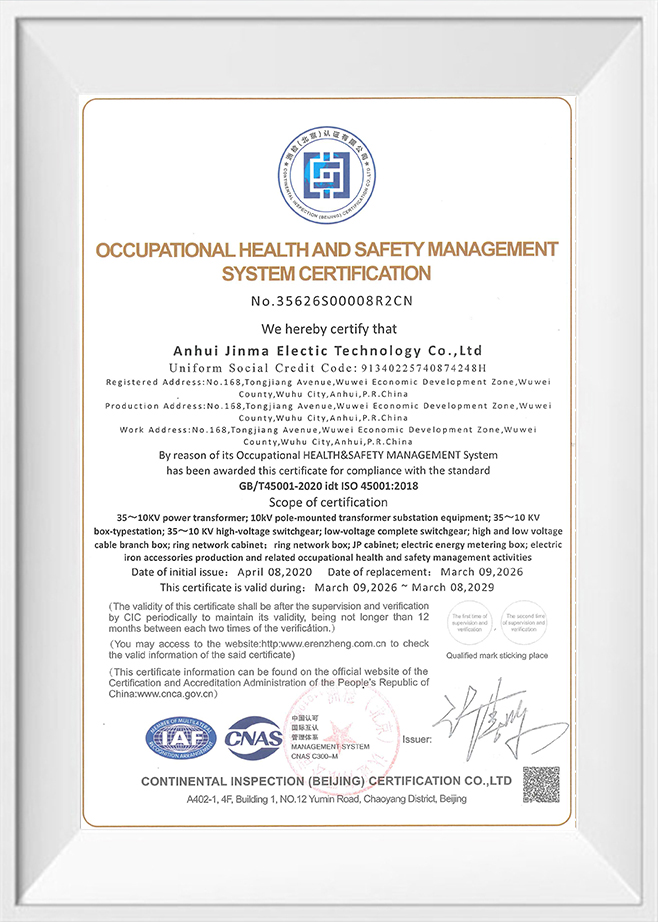
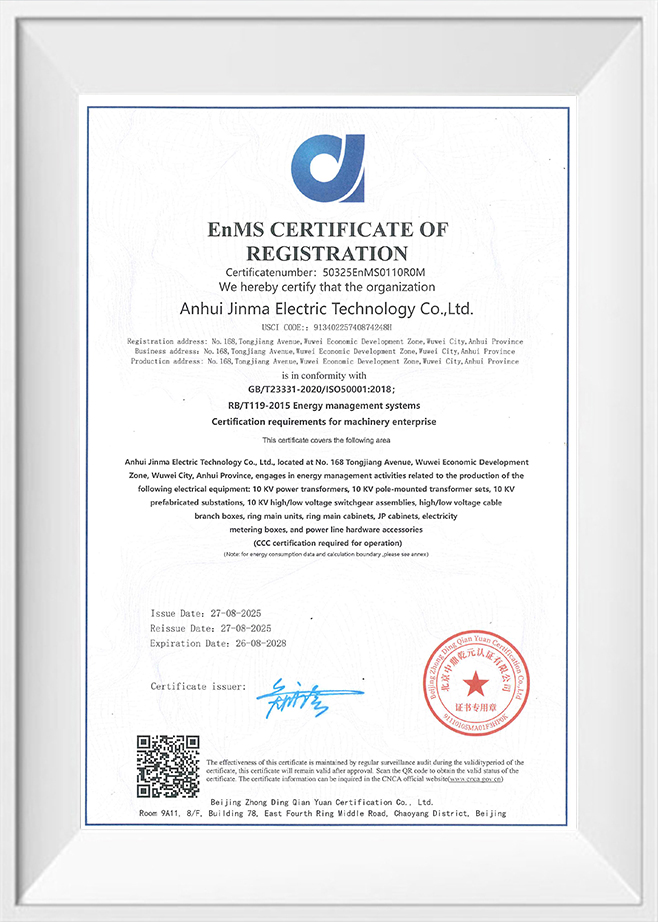
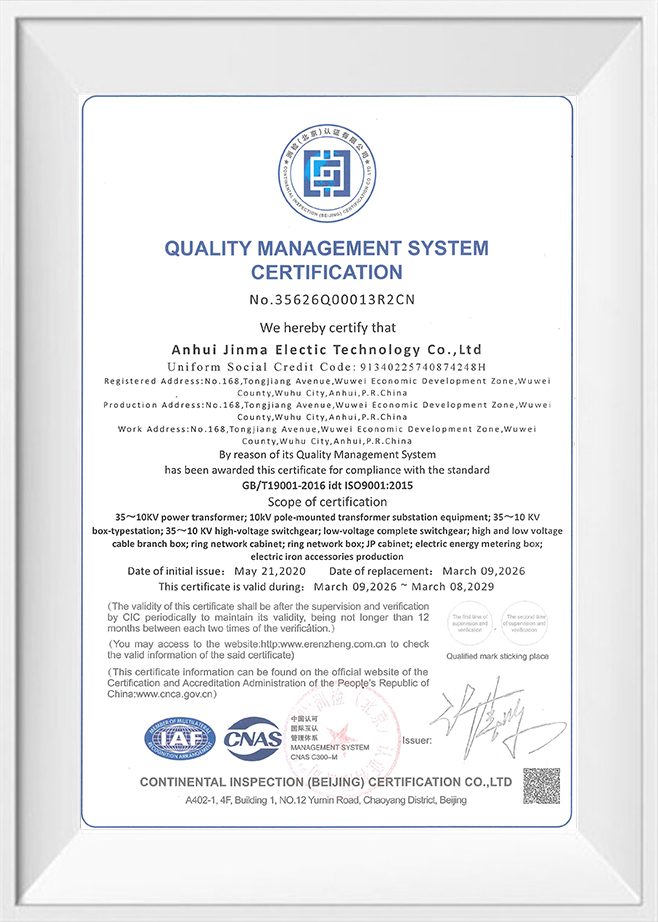
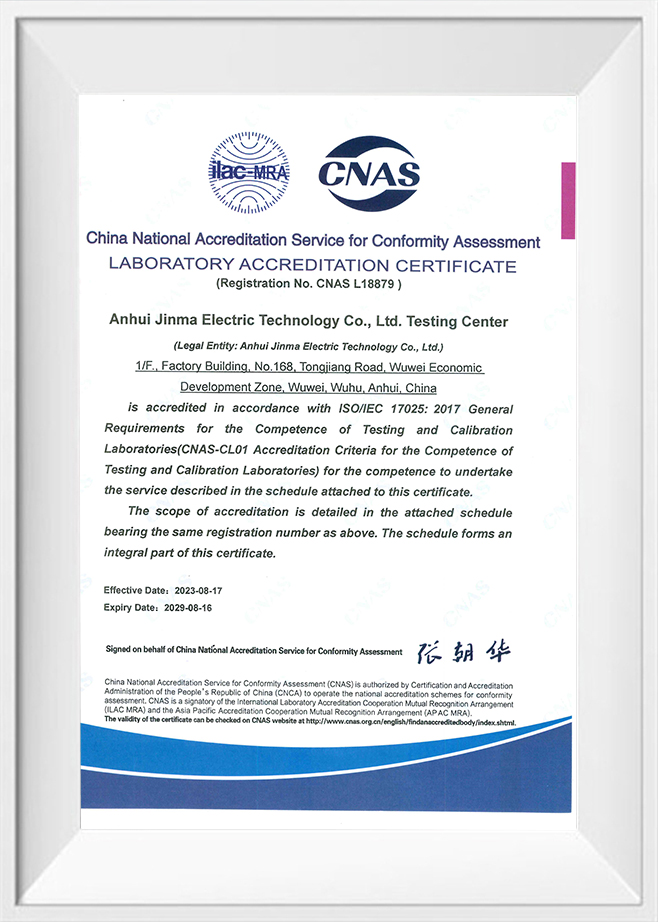
We strictly implement the ISO quality management system, comprehensively monitoring every link, including raw materials, production processes, and finished product inspection, ensuring that every customized product possesses stable and reliable quality.
Delivery and After-Sales Service
We use dedicated wooden crates that meet international standards for packaging, lined with high-performance moisture-proof materials, to ensure the equipment remains absolutely safe and dry during long-distance transportation.
Detailed user manuals, maintenance manuals, and related documents are provided with the shipment.
Remote or on-site installation guidance and commissioning services can be provided upon request.
We provide comprehensive after-sales support, including technical consultation, troubleshooting, and spare parts supply, ensuring the long-term stable operation of the product.
Who Are We
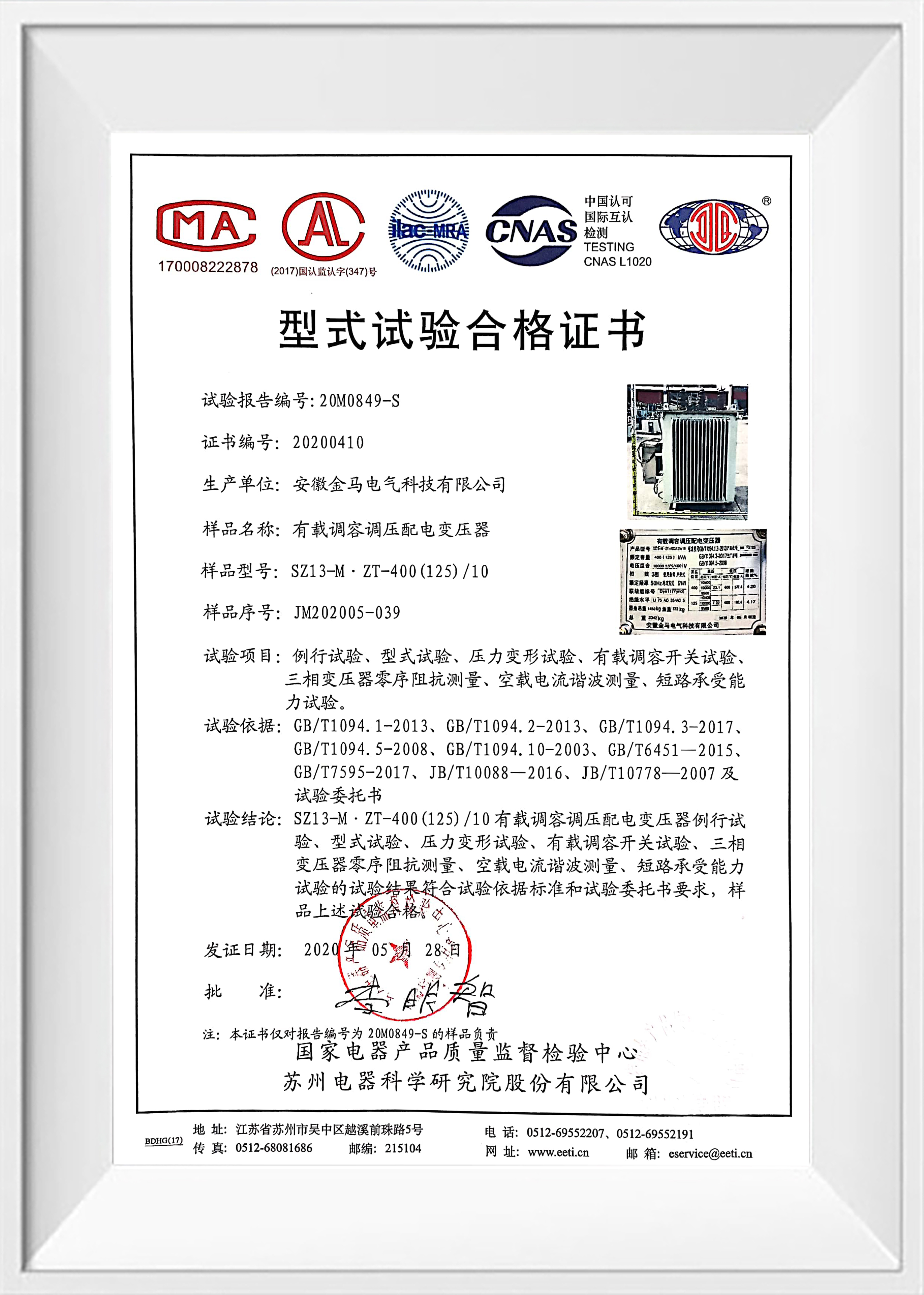
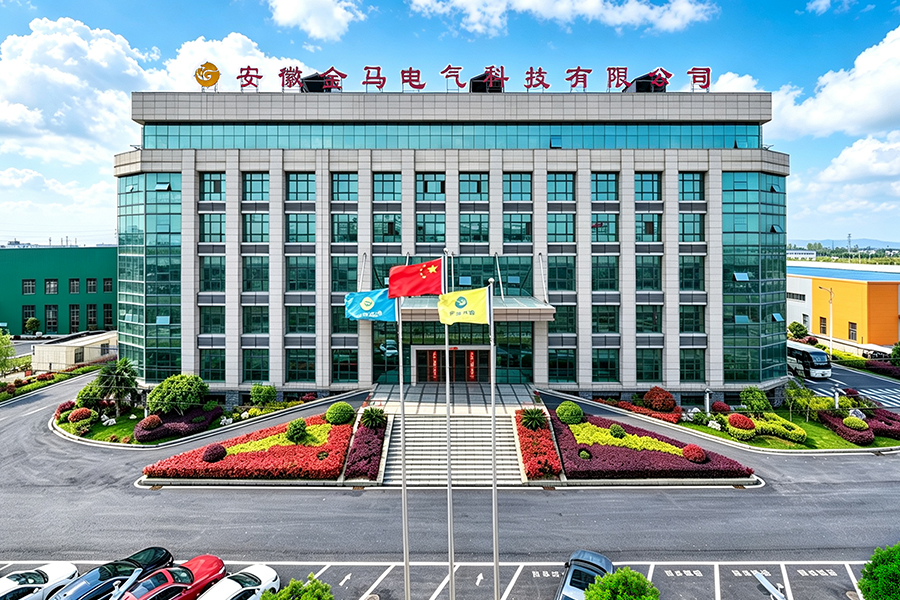
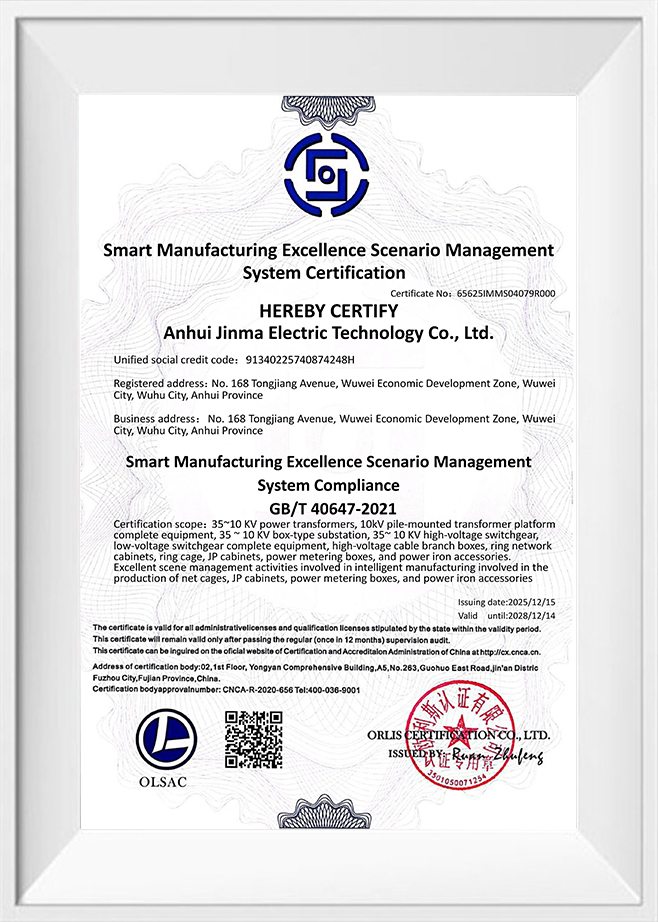
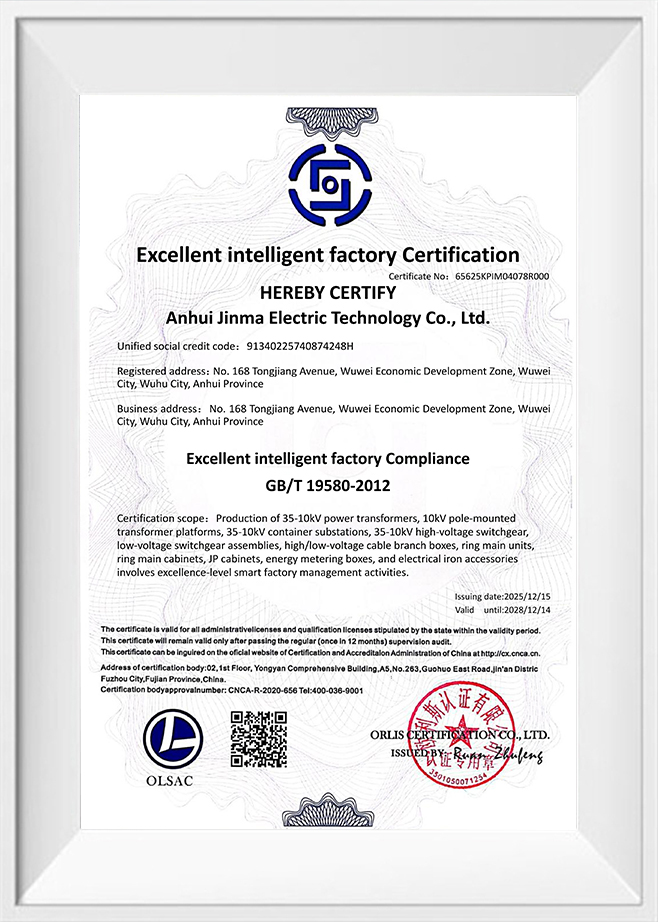
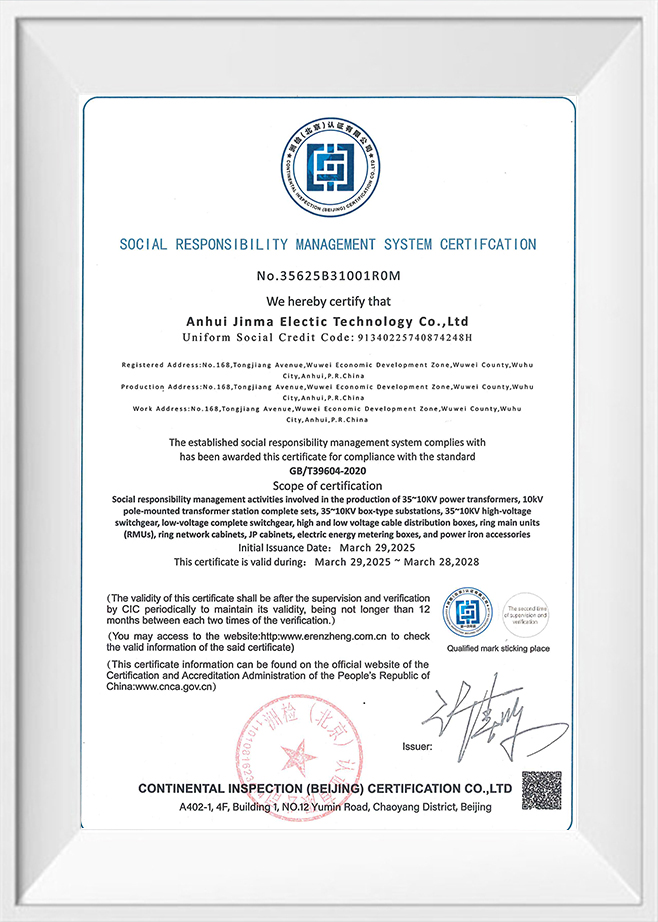
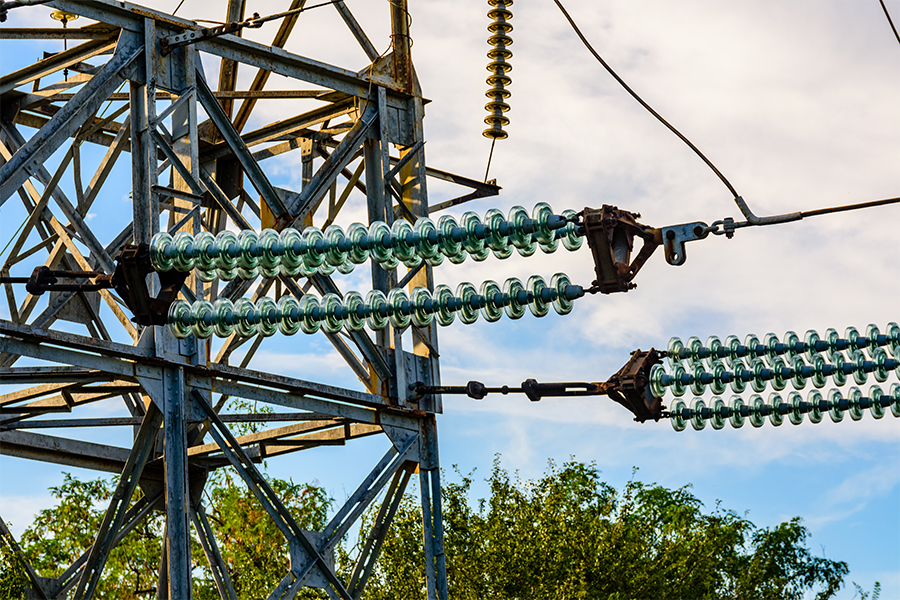
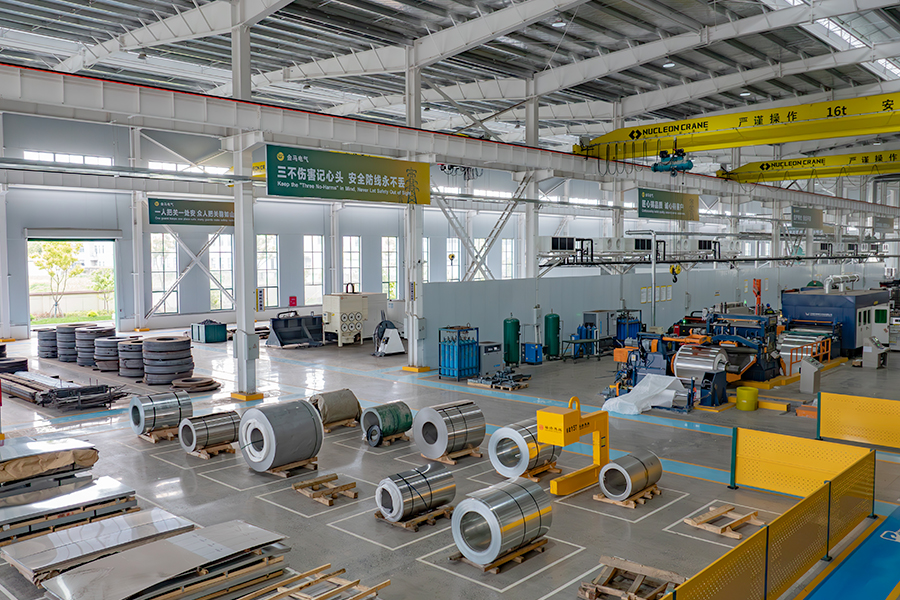
Kima Electric is a global brand under Anhui Jinma Electric Technology Co., Ltd.. and is a professional manufacturer of transformers &power transmission and distribution equipment in China. Established in 2001 and located in Wuwei, Wuhu City, Anhui Province, China ,the company occupies a facility spanning 93 mu (approximately 62,000 square meters) with a building area of 51,000 square meters and a professional team of over 180 personnel. With over 20 years of industry expertise, we have developed a comprehensive production system, rigorous quality control, and a culture of continuous innovation. We are committed to providing global customers with exceptional quality assurance and professional services.
-
0 +
Factory Area (㎡)
-
0 +
Employees
-
0 +
Industry Experience
-
0 +
Countries Sale

> KIMA, Your Trusted Global Partner
for Electrical Power Equipment <
Anhui Kima Electric Technology Co., Ltd.
-
 +86 400 0553 633
-
+86 199 4451 2191
-
 info@kimaelectric.com
-
 No. 168 Tongjiang Avenue, Wuwei Economic Development Zone, Wuwei City, Anhui Province, ChinaNote: Kima is a brand of Anhui Jinma Electric Technology Co., Ltd., China.
+86 199 4451 2191

PRODUCTS
RESOURCES
COMPANY LOCATION MAP
Copyright © Anhui Kima Electric Technology Co., Ltd. All Rights Reserved

-
 0
0
-
-
info@kimaelectric.com
-